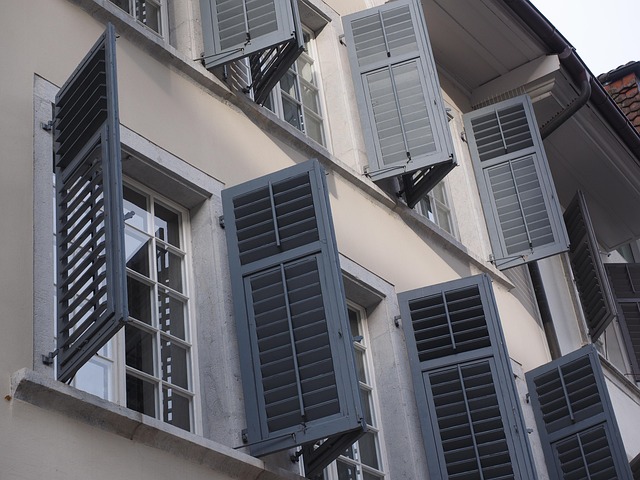
Strategic lighting and natural elements significantly impact Real Estate experiences. Well-lit spaces enhance comfort and safety, guiding potential buyers through properties. Integrating nature through plants, organic materials, and smart lighting creates vibrant, inviting environments. Soft colors, warm fabrics, and strategic furniture arrangements foster warmth and reduce stress. These design choices revolutionize Real Estate, captivating clients and fostering positive emotions.
In today’s competitive real estate landscape, creating welcoming ambiance through strategic stage room design is more than just an aesthetic choice; it’s a powerful tool for attracting and retaining tenants or buyers. The way we perceive and interact with spaces significantly influences our emotional well-being and decision-making processes. Yet, many properties struggle to balance functionality with inviting atmospheres. This article delves into the art of designing stage rooms that not only serve practical purposes but also cultivate a sense of belonging and comfort, offering valuable insights for professionals seeking to enhance their real estate offerings.
Understanding the Impact of Lighting on Real Estate Ambiance
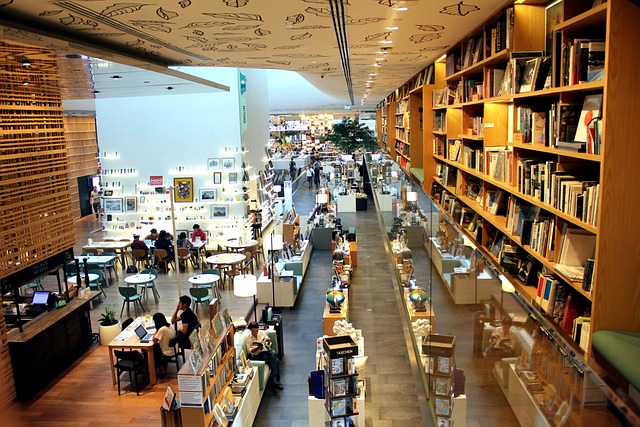
Lighting plays a pivotal role in shaping the ambiance of any space, and its impact on real estate is undeniable. In the realm of stage design, creating a welcoming atmosphere requires a meticulous understanding of how light interacts with environments. The right lighting strategy can transform a mundane room into a captivating setting, enhancing the overall experience for visitors or potential buyers in real estate contexts. Experts suggest that illumination affects human perception and behavior, making it a powerful tool to evoke specific emotions and create desired atmospheres.
In real estate, lighting is not merely an aesthetic consideration; it significantly influences how spaces are perceived. For instance, strategic use of natural light can make properties appear more spacious and inviting, while carefully designed artificial lighting can highlight architectural features or emphasize certain areas for dramatic effect. Research indicates that well-lit spaces tend to create a sense of safety and comfort, encouraging potential clients to explore and engage with the environment. In retail settings, studies have shown that proper lighting can increase customer satisfaction and even influence purchasing decisions.
Practical insights for real estate professionals include integrating dimmable lights to adapt to different moods and occasions, utilizing task lighting in specific areas to improve functionality, and incorporating warm hues for a cozy ambiance or cooler tones for modern aesthetics. For instance, a real estate agent might guide clients through a property, using strategic lighting to draw attention to the highlights of each room while ensuring that darker spaces don’t feel neglected or uninviting. By understanding the psychological impact of light, designers and agents can create welcoming stage rooms that resonate with potential buyers, making their experience memorable and impactful.
Integrating Nature into Stage Design for Welcoming Spaces

Integrating nature into stage design is a powerful strategy to create welcoming spaces in any setting, particularly within Real Estate environments. The incorporation of natural elements can transform bland or sterile environments into vibrant, inviting atmospheres that resonate with visitors. Studies show that exposure to nature enhances well-being, reduces stress, and boosts positive emotions—benefits that are equally applicable to indoor spaces. For example, a study by the University of Washington found that participants reported significant improvements in mood and cognitive performance after spending time in green interior environments.
Designers can achieve this integration through various means, from strategically placed plants and living walls to natural lighting and organic materials. For instance, a retail space might feature a vertical garden along one wall, complementing display shelves and enhancing the shopping experience. Similarly, offices can incorporate large windows framing scenic views or indoor water features to mimic nature’s soothing sounds and textures. These design choices not only elevate aesthetics but also foster a sense of connection with the outdoors, making spaces more welcoming and comfortable for occupants.
Practical advice for implementing these strategies includes assessing available space and light, selecting suitable plant varieties for indoor conditions, and choosing materials that complement existing decor. Working with local flora can add authenticity to designs while ensuring easier maintenance. Additionally, leveraging technology like smart lighting systems allows for dynamic control over ambiance, enhancing the natural integration during different times of day or season. Ultimately, a thoughtful blend of nature and design can revolutionize Real Estate spaces, making them not just functional but also emotionally resonant and welcoming to visitors.
Essential Elements for Creating Inviting Interior Environments

Creating an inviting interior environment is a powerful tool for real estate professionals looking to captivate potential buyers or tenants. The ambiance of a space significantly influences how individuals perceive and engage with their surroundings, making essential elements like lighting, color palettes, and furniture arrangements pivotal in fostering warmth and comfort. For instance, studies show that well-lit spaces enhance mood and reduce stress, encouraging visitors to spend more time in the area. Therefore, strategically placing lamps or leveraging natural light can instantly make a stage room feel more welcoming.
Texture and materials also play a crucial role in setting the tone. Soft fabrics, natural wood finishes, and tactile surfaces like stone or brass add depth and character, creating an immediate sense of coziness. Incorporating plants and water features further enhances the ambiance, as these elements have been proven to reduce noise levels and improve air quality, making the space more relaxing and inviting. For real estate professionals, understanding how these elements interact is key to staging a room that not only attracts but also retains interest.
Color choice is another critical aspect that can dramatically impact a stage room’s ambiance. Neutral tones like beige or gray serve as versatile backdrops, allowing potential occupants to project their personal preferences. However, strategic accent colors can introduce personality and energy, drawing attention to key features or creating focal points. For example, a splash of rich blue on an accent wall can evoke feelings of calm and sophistication, making the space more appealing. Ultimately, the goal is to create an environment that feels both welcoming and harmonious, ensuring potential clients or tenants envision themselves living or working comfortably in the property.