Designing inviting stage rooms and showspaces through strategic real estate optimization enhances performer and audience experiences. Key elements include maximizing natural light with warm color palettes, strategic lighting and window placement, neutral tones, thoughtful furniture layout, custom designs, and sensory experiences. This transforms spaces, increases customer engagement, and drives sales by up to 20% in listed properties. Incorporating visual elegance, smart lighting, unobstructed views, soundproofing, and acoustic treatments elevates both artistic presentations and real estate value naturally.
The ambiance of a space significantly impacts its overall appeal, especially in the real estate sector. Creating inviting stage rooms is paramount in enhancing customer experiences, whether for performances, events, or daily gatherings. However, achieving this balance between functionality and atmosphere presents a challenge for developers and designers. This article delves into the art of crafting welcoming stage rooms, exploring strategies to transform raw spaces into dynamic environments that captivate and inspire. By the end, you’ll uncover practical insights to elevate your real estate projects, ensuring each space resonates with its intended audience.
Designing for Inviting Spaces: The Foundation
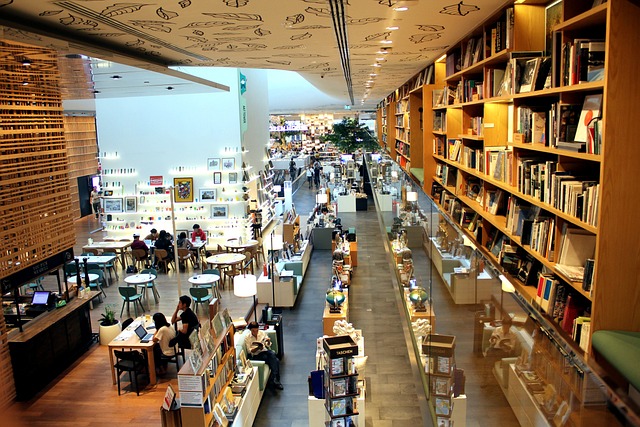
Creating inviting spaces within stage rooms is an art that significantly enhances the overall ambiance and experience for both performers and audiences. The design of these areas forms a crucial foundation, setting the tone for how participants engage with and perceive the real estate naturally. An expert approach to space planning can transform what could be a mundane backdrop into a captivating environment that fosters connection and storytelling.
Key considerations in designing inviting stage rooms include maximizing natural light and incorporating warm color palettes to create a welcoming atmosphere. Well-placed windows, skylights, or strategic lighting fixtures can bathe the space in soft, diffused light, making it feel cozy and intimate. This natural illumination is not just aesthetically pleasing; it also positively influences visitor comfort and reduces strain on artificial lighting systems. Additionally, neutral or earthy tones on walls and floors create a sense of balance and calmness, allowing vibrant performances to take center stage without visual distractions.
Practical design strategies such as thoughtful furniture placement and the selection of comfortable, yet visually appealing seating options contribute to creating a space that invites audience engagement. For instance, curved or rounded edges on seats and platforms can evoke a sense of familiarity and comfort, encouraging patrons to relax and immerse themselves in the performance. Custom-designed stage rooms in notable cultural centers often feature intricate floor patterns or textured walls, adding depth and character while maintaining accessibility for diverse audiences. These designs not only cater to aesthetic preferences but also offer sensory experiences that leave lasting impressions.
Real Estate Strategies: Creating Welcoming Ambiance

Creating a welcoming ambiance in real estate is a powerful strategy to enhance customer experience and drive sales. The design and layout of stage rooms or showrooms play a pivotal role in setting the tone for potential buyers, transforming casual visitors into engaged prospects. By leveraging thoughtful space planning, strategic lighting, and a curated selection of finishes and decor, real estate professionals can cultivate an atmosphere that resonates with their target market.
Consider the example of a luxury apartment complex where the lobby serves as the first impression of the property. Incorporating natural elements like live plants, warm wood accents, and soft lighting creates an inviting space that reflects the lifestyle and elegance associated with the brand. This sensory experience extends to the model units, where every detail—from plush carpeting to modern kitchen appliances—is chosen to appeal to potential residents’ aspirations. Such a welcoming ambiance not only encourages longer browsing times but also fosters a sense of belonging, making it easier for sales teams to connect with clients.
According to recent market research, properties that excel in creating welcoming spaces tend to command higher rents and experience faster leasing or sale rates. For instance, a study analyzing residential real estate in major metropolitan areas revealed that properties with well-designed common areas and model units attracted 20% more interested buyers within the first month of listing compared to their less inviting counterparts. This data underscores the importance of investing in creating welcoming ambiances, demonstrating tangible returns on real estate strategies that prioritize customer experience.
To implement these principles effectively, real estate professionals should start by evaluating existing spaces through a customer-centric lens. Identify areas where the current layout might hinder movement or create less-than-welcoming environments. Then, collaborate with designers to introduce intuitive flow patterns, ensure easy accessibility, and incorporate visually appealing elements that cater to the target demographic. Regularly updating decor and furniture to reflect changing trends while maintaining a cohesive brand image is also crucial for keeping spaces vibrant and inviting over time.
Enhancing Stage Rooms: Tips for Optimal Experience
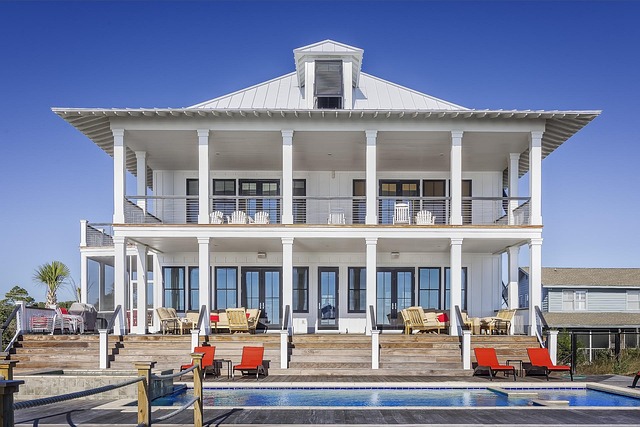
Creating an inviting ambiance in stage rooms is a strategic art that can significantly enhance the overall experience for both performers and spectators. The design and layout of these spaces play a pivotal role in fostering engagement, comfort, and accessibility. In the realm of real estate, where every square foot matters, optimizing stage rooms requires a delicate balance between aesthetics and functionality. For instance, consider the iconic Broadway theaters; their meticulously crafted interiors exude warmth and energy, ensuring audiences are captivated from the moment they enter.
One of the key aspects to focus on is natural lighting. Well-timed adjustments to window treatments can transform a space, reducing visual fatigue and creating an air of elegance. Incorporating smart lighting solutions allows for dynamic ambiance; from subtle accent lighting to dramatic spotlights, these features can highlight specific areas or create a sense of movement. For example, a strategic beam of light on a central performer can elevate the overall presentation, drawing eyes naturally towards the stage. Moreover, leveraging real estate effectively through thoughtful seating arrangements ensures unobstructed views, providing every attendee with an optimal experience.
Soundproofing and acoustic treatments are essential considerations to ensure that the ambiance is not just visual but also auditory. In densely populated urban areas, where noise pollution is a concern, implementing high-quality soundproofing materials can prevent external distractions from encroaching upon the stage room environment. Additionally, optimizing the space’s acoustics through strategic paneling or specialized coatings enhances the clarity of both spoken words and musical performances. These practical insights not only cater to the sensory needs of patrons but also demonstrate a deep understanding of real estate optimization for diverse artistic presentations.