Strategic lighting design, natural elements, and color psychology are key in real estate to create welcoming spaces that enhance ambiance. Well-placed fixtures, warm tones for social areas, and statement pieces add coziness. Incorporating wood, stone, plants, water features, and calming colors like blue and green fosters relaxation, connects visitors to nature, and leaves a lasting impression.
Creating a welcoming ambiance in your stage room or real estate property can significantly enhance its overall appeal. In this article, we explore three key strategies: strategic lighting design to transform spaces, leveraging natural elements for a soothing interior, and understanding color psychology’s impact on setting the right mood. By implementing these techniques, you can craft an inviting atmosphere that captivates visitors, making your real estate offering stand out in the market.
Enhance Space with Strategic Lighting Design
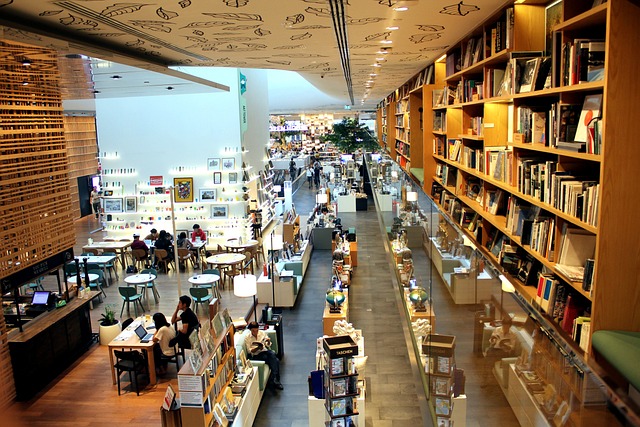
In real estate, creating a welcoming ambiance in stage rooms or any space for that matter is paramount to leaving a lasting impression on guests. One effective way to achieve this is through strategic lighting design. Lighting sets the mood and can dramatically transform a room’s atmosphere. Well-placed fixtures, dimmable lights, and a mix of ambient, task, and accent lighting create depth, highlight key features, and invite guests to explore.
Consider using warm-toned bulbs in social areas to foster a cozy feeling and cooler tones for work or study zones. Incorporate statement pieces like hanging lamps or wall sconces to add visual interest while ensuring functional lighting. By thoughtfully integrating lighting design into the fabric of your space, you enhance its overall appeal, functionality, and the overall experience for visitors.
The Power of Natural Elements in Interiors
Incorporating natural elements into interior design is a powerful way to enhance ambiance and create welcoming spaces, especially in stage rooms or entertainment areas within real estate properties. Elements like wood, stone, plants, and water can instantly transform a space, making it more inviting and aesthetically pleasing. For instance, a wooden floor or accent wall not only adds warmth but also provides a sense of connection with nature, creating an ambiance that feels both luxurious and relaxed.
Plants and living walls are another excellent way to bring the outdoors in, improving air quality while adding visual interest. Incorporating water features, such as small fountains or indoor ponds, can introduce a calming element, making the space feel serene and peaceful. These natural touches not only contribute to the overall design aesthetic but also play a significant role in creating a welcoming atmosphere that captivates visitors and makes them want to spend more time in the space—a key consideration for real estate professionals aiming to create memorable experiences.
Color Psychology: Impact on Ambiance Creation

In real estate, creating a welcoming ambiance is crucial for making potential buyers feel at home. One effective tool in this regard is color psychology, which leverages the power of colors to evoke specific emotional responses. Warm hues like yellow and orange can energize and create a sense of comfort, making them ideal for living rooms or spaces where interaction and relaxation are desired. On the other hand, cooler tones such as blues and greens promote calmness and tranquility, suitable for bedrooms or areas seeking to foster relaxation.
Understanding color psychology allows designers and homeowners to strategically choose colors that enhance the ambiance they wish to cultivate. For instance, a light blue interior can evoke feelings of serenity, making it an excellent choice for a tranquil home office or meditation room. Similarly, earthy tones like browns and beige provide warmth and coziness, suitable for creating inviting spaces where people can unwind. By incorporating these color considerations, real estate professionals can significantly impact how buyers perceive and connect with their potential new homes.