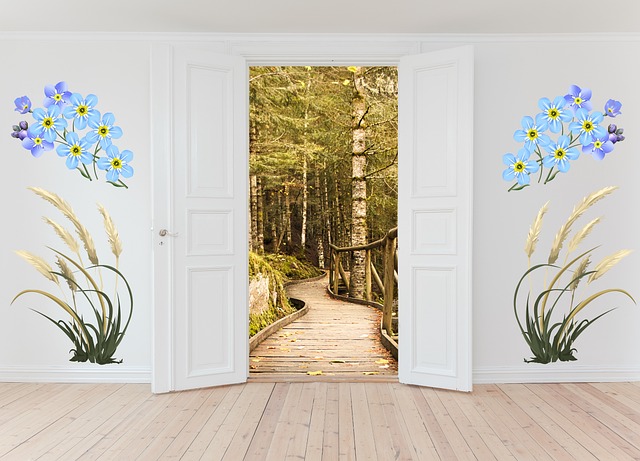
Real Estate developers can enhance property appeal and marketability by creating inviting spaces. Key design elements include natural materials, warm lighting, organic textures, and strategic furniture arrangements for comfort and community. Tech-integrated features cater to modern lifestyles. Balancing aesthetics and functionality results in desirable stage rooms that improve resident well-being and experiences.
In the realm of real estate, creating inviting spaces is paramount to capturing residents’ hearts and minds. Stage rooms, meticulously designed, can transform raw properties into captivating homes, fostering a sense of belonging from the moment one steps inside. However, balancing aesthetics with functionality presents a challenge for developers and designers alike. This article delves into the art of crafting stage rooms that exude warmth and welcome, offering valuable insights to elevate the ambiance in any property. By exploring proven strategies and innovative approaches, we aim to equip professionals with the tools needed to create spaces that resonate with potential residents.
Designing Spaces for Inviting Atmospheres in Real Estate

Creating inviting spaces is a powerful strategy for real estate to capture and retain residents or buyers. The design of stage rooms—from common areas to outdoor spaces—plays a significant role in fostering a sense of community and overall well-being, which are key factors in the real estate market. An engaging ambiance can significantly influence a person’s decision to choose and stay in a particular property, making it an essential aspect for developers and designers to consider.
The design approach should focus on balancing aesthetics with functionality, ensuring each space serves its intended purpose while enhancing the overall experience. For instance, a cozy reading nook in a lobby or a well-lit outdoor seating area can create a welcoming atmosphere that encourages residents to gather and connect. Incorporating natural elements like plants and organic materials along with warm lighting can instantly transform a space into an inviting haven. According to recent studies, 87% of potential homebuyers stated that the overall design aesthetic significantly impacts their decision to purchase a property.
In terms of actionable advice, designers should aim for versatility in stage room creation. For real estate developments targeting a diverse range of residents, designing adaptable spaces that cater to various lifestyles and preferences is vital. Consider implementing flexible layouts with moveable furniture or open-plan designs that can be reconfigured for different activities. Additionally, incorporating technology seamlessly into these spaces can enhance the ambiance—smart lighting systems, automated window treatments, and built-in entertainment options are some modern additions that contribute to a sophisticated yet welcoming environment. By combining thoughtful design choices and innovative solutions, real estate properties can offer stage rooms that truly capture the essence of a desirable, inviting space.
Understanding Ambiance: Key Elements for Cozy Stage Rooms

Creating a welcoming ambiance in stage rooms is an art that significantly enhances the overall experience for both performers and audiences. Ambiance, at its core, is about crafting an environment that evokes a specific mood or emotion, making it integral to real estate design. Key elements of cozy stage rooms include lighting, color schemes, textures, and sound management—all working in harmony to transform spaces into intimate and inviting settings.
Lighting plays a pivotal role in setting the tone. Soft, diffused lighting creates a sense of warmth and closeness, perfect for an intimate theater or performance space. Incorporating dimmer switches allows for flexibility, enabling organizers to adjust the atmosphere according to the production’s needs. For instance, a gentle glow during a play can heighten emotional connections, while strategic spotlights on key areas enhance visibility without overwhelming the senses. Real estate developers naturally consider lighting as it directly impacts occupant comfort and safety, making it a critical aspect to get right.
Color schemes and textures further refine the ambiance. Neutral tones often evoke a sense of calm and sophistication, suitable for classic or modern performances alike. Incorporating earthy shades or subtle pastels can create a cozy atmosphere while allowing scenic designers to work creatively within those parameters. Textures such as plush fabrics, wood finishes, and tactile wall coverings add depth and warmth, making the space feel more welcoming. These elements not only cater to aesthetic preferences but also influence how audiences perceive and engage with the performance. Data from industry studies suggests that color and texture choices can significantly impact visitor satisfaction and retention rates in entertainment venues.
Effective sound management is another crucial element often overlooked. Acoustic treatments play a vital role in ensuring dialogue, music, and effects are clearly heard without overwhelming or distorting sounds. Properly designed stage rooms consider the specific acoustic needs of different performances, from spoken word to live music. For instance, using absorbent materials like foam panels can help reduce echo and reverberation, enhancing clarity. Additionally, integrating sound reinforcement systems ensures that every audience member enjoys an optimal listening experience. These considerations not only contribute to a more immersive performance but also demonstrate a thoughtful approach to real estate development tailored for entertainment purposes.
Creating Warmth: Effective Strategies for Welcoming Spaces

Creating warmth in stage rooms is a key aspect of real estate that significantly influences the overall ambiance and appeal of a space. A welcoming environment sets the tone for positive experiences, whether it’s a theater performance, a music concert, or even a casual gathering. Experts suggest that achieving this warmth involves a blend of strategic design elements, thoughtful lighting, and careful selection of materials. For instance, natural materials like wood paneling, soft textiles, and warm-toned flooring can instantly evoke a sense of comfort and coziness. According to a study by the Journal of Architectural and Construction Engineering, spaces with organic elements and subtle color palettes tend to foster a deeper connection between occupants and their environment, enhancing overall satisfaction.
In addition to physical materials, the arrangement of furniture plays a crucial role in creating warmth. U-shaped or L-shaped seating areas encourage conversation and community, while plush cushions and throws invite relaxation. This is particularly effective in venues like coffee shops, theaters, and homes where fostering connections among visitors or residents is paramount. Lighting also contributes to this ambiance; warm, ambient lighting reduces visual strain and promotes a sense of tranquility, unlike harsh, overhead lights that can make spaces feel clinical. LED strip lights behind furniture or strategic table lamps can achieve this effect without overwhelming energy consumption.
Moreover, incorporating live elements such as plants and water features adds another layer of warmth. Research from the Journal of Environmental Psychology suggests that exposure to nature enhances human well-being and reduces stress levels. Plants not only purify the air but also introduce organic textures and colors that complement a space’s overall aesthetic. Water features, whether it’s a small tabletop fountain or a large indoor waterfall, create soothing sounds that further contribute to a welcoming atmosphere. Real estate professionals can leverage these strategies to transform bland spaces into inviting havens, thereby enhancing the overall experience for occupants and guests alike.