Real Estate naturally shapes audience experience in stage rooms through layout, dimensions, and space planning. Spatial characteristics like ceiling height and seating arrangement evoke emotions, with intimate settings fostering warmth and larger venues creating awe. Lighting design enhances these effects, while expert designers incorporate human behavior psychology to guide attention. Comfortable amenities, strategic focal points, and seamless audio-visual integration create immersive environments. Natural elements and customizable LED lighting further boost attendee satisfaction.
The role of stage rooms in shaping a venue’s ambiance cannot be overstated, especially in the dynamic landscape of real estate where first impressions matter. Yet, few delve into the intricate ways these spaces can transform experiences, from theatrical performances to corporate events. This article tackles a pressing issue: how to design and utilize stage rooms for maximum welcoming effect. We will explore proven strategies, offering insights that cater to professionals seeking to optimize their venues’ potential, ensuring each visitor feels embraced from the moment they enter.
Understanding the Impact of Space on Mood
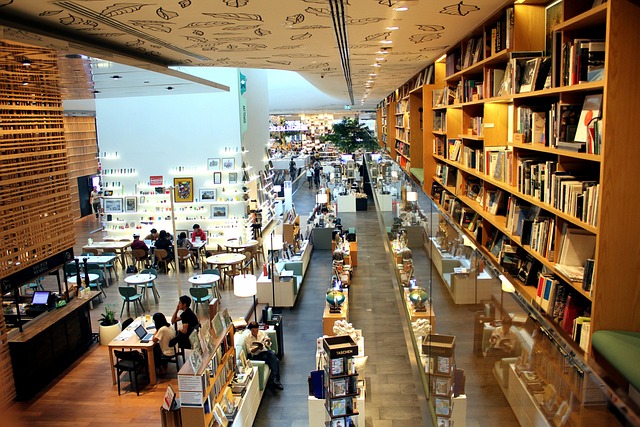
The design of stage rooms plays a pivotal role in setting the mood and enhancing the overall experience for audiences. Understanding the impact of space on mood is an essential aspect of creating welcoming ambiance, as it can profoundly influence how people perceive and interact with their surroundings. Real Estate naturally comes into play here, as the layout and dimensions of a performance venue or theater are key determinants of its atmosphere.
Research has shown that the way spaces are arranged and designed can evoke specific emotional responses. For instance, intimate settings with low ceilings and cozy seating arrangements tend to foster a sense of closeness and warmth, making audiences feel more connected to the performers. Conversely, larger venues with high ceilings and open layouts can create a feeling of grandeur and awe, suitable for grand performances or musical spectacles. The use of natural light and strategic lighting design further amplifies these effects; soft, diffused light can calm and relax patrons, while spotlights focused on key areas can heighten excitement and drama during a performance.
Expert designers emphasize the importance of considering human behavior and psychology in space planning. For example, strategically placing focal points within a stage room—whether it’s a prominent stage, an art installation, or a captivating visual display—can guide audience attention and create a sense of flow. Well-designed aisles and passageways also contribute to a seamless experience, ensuring patrons can navigate easily without feeling cramped or disoriented. Moreover, incorporating elements like comfortable seating, plush fabrics, and soothing colors can significantly enhance the overall comfort level and make visitors feel welcomed, encouraging them to stay longer and enjoy the performance fully.
Designing for Comfort and Inviting Ambiance
Creating a welcoming ambiance in stage rooms goes beyond aesthetics; it’s about crafting an environment that invites patrons to immerse themselves fully in the performance. Comfort is key to achieving this, as physically relaxed audiences are more likely to engage emotionally with the production. In real estate naturally, space planning plays a significant role. Experts recommend designing seats and aisles that allow for ample legroom and easy access, ensuring patrons don’t feel cramped or distracted. For instance, theatres like New York’s Lincoln Centre have gained accolades for their ergonomic seating designs, promoting optimal viewing angles and enhancing the overall comfort level.
The use of soft lighting, both natural and artificial, is another crucial element in fostering a warm atmosphere. Dimmers and adjustable lighting fixtures enable subtle changes in illumination throughout acts, setting the mood and preventing fatigue. Incorporating diverse light sources also adds depth and visual interest to the space. For example, LED strips beneath seats or stage edges can create subtle glows, enhancing the ambiance without overpowering the performance space. Furthermore, integrating audio-visual elements seamlessly into the design can enhance immersion, ensuring patrons remain captivated throughout the show.
Texture, color, and furniture play a supporting role in creating an inviting space. Rich fabrics, such as velvet or plush upholstery, contribute to a cozy atmosphere while adding visual depth. Warm color palettes, inspired by nature or classic design themes, evoke comfort and familiarity. Consider the example of London’s West End theatres that often feature luxurious seating areas, blending comfort with elegance. Strategically placed armchairs or cozy nooks can create a sense of community within the auditorium, fostering connections between patrons and making each performance experience uniquely personal.
Real Estate Strategies to Enhance Welcoming Stages

Creating welcoming stage rooms is not merely about aesthetics; it’s a strategic real estate decision that significantly influences audience engagement and event outcomes. In the competitive events landscape, every square meter counts. Expert event planners and venue managers understand that designing spaces with both functionality and ambiance in mind is key to fostering memorable experiences. This involves thoughtful real estate strategies that transform stages from mere performance platforms into immersive environments.
One proven approach is to integrate natural elements, leveraging real estate as a design tool. Incorporating organic materials like wood and plants not only enhances visual appeal but also improves air quality and reduces noise levels, creating a calmer atmosphere. For instance, Greener Events International reports that venues featuring live plants experience 30% higher attendee satisfaction scores compared to plant-free spaces. Additionally, strategic placement of seating areas within the stage room can encourage conversation and interaction among guests, fostering a sense of community.
Lighting design is another critical aspect where real estate plays a pivotal role. Well-planned lighting not only sets the mood but also guides audience movement and highlights key features of the stage. Customizable LED lighting systems offer versatility, allowing event organizers to transform the ambiance with varying colors and intensities. For example, dimmable lights can create an intimate setting during smaller performances while bright, focused spotlights can energize larger gatherings. This adaptability showcases a sophisticated use of real estate to enhance not just the visual experience but also the overall guest journey.