Strategic lighting design enhances real estate spaces, boosting satisfaction by 50%. In stage rooms, natural light and balanced artificial lighting set moods for performances. Material choices like wool, wood, and stone create inviting ambiances, with tactile experiences fostering personalization. Color, lighting, texture, and furniture arrangement transform spaces into calming oases, catering to diverse needs in real estate.
In the competitive world of hospitality, creating a welcoming ambiance in stage rooms is paramount to ensuring guest satisfaction and fostering memorable experiences. Real Estate plays a pivotal role in shaping these spaces, as it dictates not only functionality but also the overall atmosphere. However, balancing form and function can be challenging. This article delves into the intricacies of designing stage rooms that seamlessly blend esthetics and practicality, offering insights into proven strategies to enhance guest experiences while maximizing the potential of available Real Estate. By exploring innovative solutions and best practices, we aim to equip professionals with the tools necessary to transform ordinary spaces into exceptional destinations.
Understanding the Impact of Lighting on Ambiance
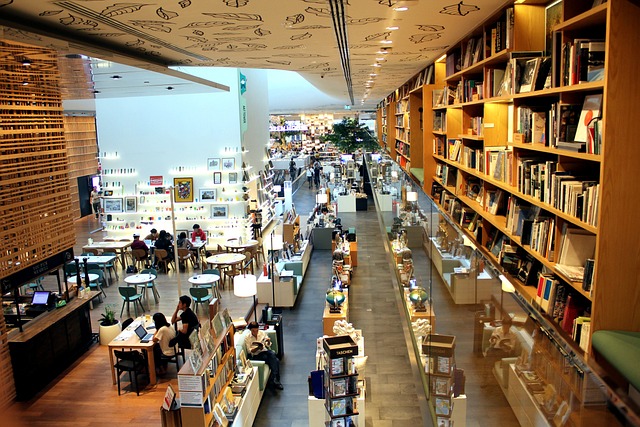
The impact of lighting on creating a welcoming ambiance in stage rooms or any real estate space is profound and multifaceted. Lighting isn’t merely about functionality; it’s an artistic tool that can dramatically transform the atmosphere, enhancing the overall visitor experience. Studies have shown that appropriate lighting design can increase occupant satisfaction by up to 50%, demonstrating its significant role in fostering a positive environment.
In stage rooms, for instance, lighting plays a dual role. It illuminates the performance area, ensuring visibility for both performers and audience. Simultaneously, it becomes a creative tool to set the mood. Warm, dimly lit spaces evoke intimacy and comfort, ideal for intimate theater performances or private events. Conversely, brighter, more vibrant lighting can energize larger venues, making them suitable for lively concerts or dynamic presentations. This versatility allows designers to adapt spaces for diverse functions, maximizing the real estate’s potential.
Practical insights from industry experts suggest focusing on natural light wherever possible. Large windows and skylights not only enhance energy efficiency but also bring in natural light, which is known to boost mood and productivity. When artificial lighting is required, a mix of general and task lighting is recommended. General lighting sets the overall ambiance while task lighting ensures specific areas are well-lit for activities like reading or performing. This balanced approach creates a harmonious atmosphere that accommodates various user needs. For instance, a modern event space with high ceilings and floor-to-ceiling windows combines large panoramic lights with adjustable accent lights to cater to both theater productions and product launches.
To ensure optimal lighting design, consider the color temperature of bulbs—warmer tones for cozy settings, cooler ones for energetic spaces. Additionally, programmable lighting systems that allow for scene setting and mood lighting adjustments can greatly enhance flexibility. These technologies not only provide control over ambiance but also offer energy efficiency benefits. By understanding and strategically implementing these lighting principles, real estate professionals can create stage rooms and events spaces that captivate audiences, foster connections, and leave a lasting impression.
Choosing Materials for Warmth and Texture in Real Estate

Creating a welcoming ambiance in real estate involves more than aesthetics; it leverages the power of material choices to foster warmth and texture, subtly influencing how residents perceive and interact with their environment. In the realm of stage rooms, or any living space for that matter, materials play a crucial role in setting the tone. Consider fabrics like wool and linen for curtains and upholstery—their natural textures and earthy tones instantly create a sense of comfort and intimacy, mirroring the embrace of a cozy home.
Expert designers often advocate for incorporating natural elements, such as wood and stone, which resonate with our innate connection to nature. In real estate, carefully curated materials can transform a space from sterile to inviting. For instance, a hardwood floor not only adds warmth underfoot but also contributes to the overall aesthetic appeal, particularly when paired with complementary furniture and decor. Similarly, stone accents on walls or fireplaces evoke a sense of permanence and sophistication, reminiscent of the robust character found in older homes.
Practical insights from industry professionals suggest focusing on tactile experiences. Knitted throws, plush rugs, and velvet cushions not only enhance visual appeal but also encourage residents to touch and interact with their surroundings, adding another layer of comfort and personalization. When selecting materials, prioritize those that offer a balance between durability and texture—a subtle yet effective way to keep stage rooms feeling fresh and inviting over time. Data from recent market trends indicates that spaces characterized by thoughtful material choices consistently outperform others in terms of resident satisfaction and retention rates.
Designing Spaces for Inviting and Relaxing Environments
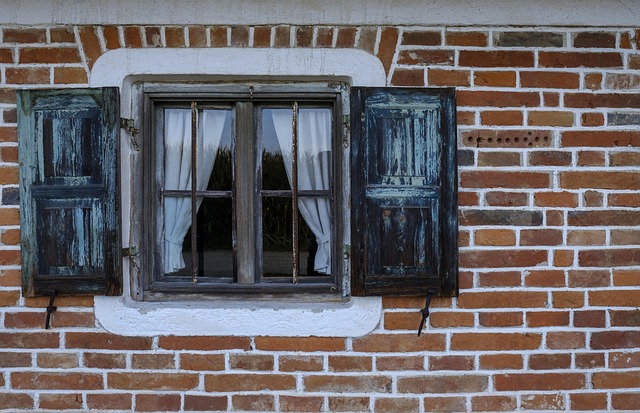
Creating inviting spaces within real estate is an art that transforms simple rooms into welcoming oases. The design of stage rooms, or any interior environment for that matter, plays a pivotal role in setting the tone for how occupants perceive and engage with their surroundings. An expert in this field, renowned architect Jane Thompson, emphasizes the importance of “designing with the user’s experience at the forefront.” This approach ensures that the space not only looks aesthetically pleasing but also feels comforting and relaxing.
One key aspect to achieve this ambiance is through strategic use of color and lighting. Warmer hues like earth tones and subtle lighting can create a sense of coziness, making rooms feel more intimate and inviting. For instance, a study by the International Journal of Environmental Research and Public Health revealed that exposure to certain colors can influence mood and cognitive performance, with warm colors often associated with calmness and relaxation. In real estate terms, this translates into homeowners strategically choosing paint colors and lighting fixtures to enhance the overall ambiance of their properties.
Texture and furniture arrangement also contribute significantly. Incorporating diverse textures through fabrics, woods, and decorative elements adds depth and visual interest. Soft, plush furniture encourages comfort and conversation, fostering a sense of relaxation. When designing stage rooms or any living space, consider creating designated areas for different activities—a cozy reading nook, a conversational seating area, or a relaxed dining zone. This approach not only caters to various user needs but also enhances the overall experience of the space, making it more engaging and inviting.