Real Estate naturally shapes guest experiences through spatial design. Strategic seating, lighting, and intimate areas enhance theatrical engagements. Natural elements in real estate naturally boost well-being, satisfaction, and property value. Lighting and color schemes significantly influence ambiance, from warmth for intimacy to bright lights for energy. LED systems offer versatility and efficiency. Collaborate with designers to tailor spaces for optimal audience engagement and lasting impressions.
In the competitive realm of Real Estate, creating welcoming spaces is paramount to fostering a sense of community and driving occupancy. However, designing stage rooms that balance functionality with ambiance presents a unique challenge. Current trends in housing demand flexible spaces that cater to diverse lifestyles, while traditional stage room designs often fall short, failing to integrate seamlessly into modern living environments. This article delves into the art of crafting stage rooms as welcoming hubs, offering innovative strategies and design principles to enhance residential experiences. By exploring these solutions, Real Estate professionals can navigate the market with confidence, creating spaces that truly resonate with potential residents.
Understanding the Impact of Space Design on Ambiance

The design of stage rooms plays a pivotal role in cultivating a welcoming ambiance, significantly influencing how guests perceive and engage with a venue. This is not merely about aesthetics; it’s a science that leverages spatial dynamics to evoke specific emotional responses. Research indicates that our brains subconsciously process environmental cues, interpreting them as comfort, excitement, or even stress. For instance, a well-designed theater with strategically placed seating, subtle lighting, and intimate spaces can heighten the theatrical experience, making patrons feel immersed and valued.
Real Estate naturally comes into focus here, as the physical layout of a performance hall, concert venue, or theater determines its capacity to attract and retain audiences. Consider the example of renowned opera houses, where grand archways, ornate balconies, and rich decor not only accommodate large crowds but also enhance the spectacle, creating an atmosphere that inspires awe and appreciation. Conversely, smaller, intimate venues with cozy seating arrangements foster a sense of community and closeness, making patrons feel part of the performance rather than just spectators.
Designers and venue managers can leverage simple yet powerful tools to optimize space design. Incorporating varying levels and textures creates depth and visual interest, while strategic lighting can transform an ordinary room into a captivating setting. Additionally, leveraging natural light during daytime events or incorporating vibrant color schemes at night can dramatically alter the ambiance. For instance, a study by the Journal of Environmental Psychology revealed that individuals in well-lit rooms with warm color palettes reported higher levels of happiness and engagement compared to those in dimly lit spaces. Practical advice includes using smart lighting systems for easy adjustments, implementing multi-functional furniture to maximize space, and incorporating plants or water features to add organic elements, thereby enhancing overall guest satisfaction.
Incorporating Natural Elements in Real Estate for Welcoming Spaces

Incorporating natural elements into real estate design is a powerful strategy to cultivate welcoming spaces. The integration of organic materials, such as wood and stone, along with living plants, can significantly enhance the ambiance, creating a sense of connection to the outdoors. Research indicates that exposure to nature positively impacts human well-being, reducing stress levels and promoting relaxation. In real estate, this translates into increased resident satisfaction and property value. For instance, studies have shown that buildings incorporating natural elements command higher rental rates and sell for more than their non-natural counterparts.
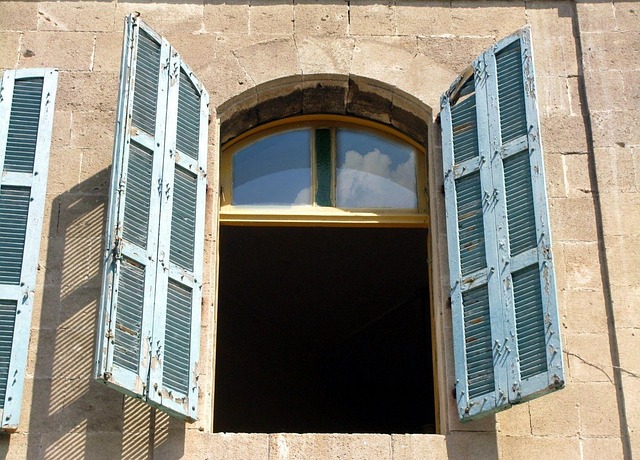
Expert designers advocate for strategic placement of natural features to maximize their impact. Incorporating large windows allows natural light to flood interior spaces, enhancing the sense of openness and invitingness. Living walls and green roofs not only add aesthetic appeal but also contribute to better air quality and thermal insulation. For example, the iconic Green Building in San Francisco showcases a living roof with diverse plant species, demonstrating how real estate naturally can blend sustainability and beauty. In residential settings, hanging plants and vertical gardens offer a cost-effective way to bring nature indoors, fostering a calming atmosphere.
Practical implementation involves considering local climates and available space. In colder regions, incorporating natural elements that provide warmth, like fire places and wooden accents, can create welcoming spaces year-round. In warmer climates, focusing on shade-providing plants and reflective surfaces helps maintain comfortable indoor temperatures. Real estate developers and designers can also collaborate with local botanic gardens to source native plant species, ensuring both authenticity and sustainability in their projects. By prioritizing natural elements, real estate professionals can craft spaces that not only attract residents but also foster a deeper connection to the environment.
Lighting and Color Schemes: Setting the Mood in Stage Rooms
The lighting and color schemes in stage rooms play a pivotal role in setting the mood and enhancing the overall ambiance. In real estate naturally, these elements can transform a space from ordinary to extraordinary, captivating audiences and fostering a sense of engagement. Experts suggest that strategic lighting design should be at the forefront of any venue planning, as it influences how people perceive and interact with their surroundings. For instance, warm, dimly lit spaces tend to evoke a cozy and intimate atmosphere, making them ideal for performances that require close audience interaction. Conversely, bright, well-lit stages can energize audiences, suitable for high-octane shows or concerts.
Color schemes, too, are powerful tools in stage room design. They can subtly communicate different emotions, from calming blues and greens to vibrant reds and oranges, each evoking unique responses. A study by the Journal of Environmental Psychology found that certain colors can impact human behavior and cognitive performance, making color selection crucial for venues hosting a variety of events. For instance, a stage adorned with earthy tones like browns and beiges might suit theatrical performances seeking a rustic, natural ambiance. In contrast, neon or metallic colors could dominate a modern dance performance, adding to the dynamic energy of the show.
Practical considerations are also vital. Lighting should be adjustable, allowing designers to adapt quickly to different event needs, from dramatic spotlights for solo acts to general illumination for large ensembles. Additionally, ensuring even lighting distribution prevents hotspots or shadows that could disrupt audience viewing experiences. In terms of real-world application, many successful venues invest in state-of-the-art LED lighting systems for their versatility and energy efficiency. These technologies enable designers to create intricate lighting effects while reducing operational costs.
To maximize the impact of lighting and color schemes, venue managers should consult with professional designers who understand the psychology behind visual aesthetics. Collaborating with these experts ensures that each stage room is tailored to enhance specific types of performances, fostering a welcoming ambiance that captivates audiences and leaves a lasting impression.