Strategic lighting design in real estate significantly enhances property appeal, influencing buyers' perceptions and emotions. Thoughtful furniture selection and color palettes create inviting ambiance. Blending nature-inspired elements, such as natural light, warm LED lighting, and textures, improves mental health and cognitive function, making stage rooms and properties more captivating. Incorporating greenery purifies air and reduces performance anxiety.
In the competitive world of hospitality and entertainment, creating a welcoming ambiance in stage rooms is paramount for captivating audiences and fostering memorable experiences. However, balancing aesthetics with functionality within real estate constraints presents a significant challenge. This article delves into the art and science of optimizing stage room design, exploring innovative strategies to enhance guest comfort, accessibility, and overall satisfaction without compromising on space. By examining cutting-edge solutions, we aim to provide valuable insights for professionals seeking to transform their stage spaces into captivating, welcoming environments.
Understanding the Impact of Lighting on Ambiance
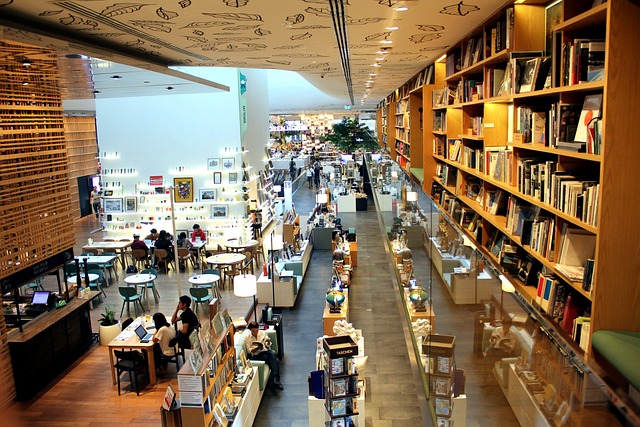
The impact of lighting on creating a welcoming ambiance in stage rooms or real estate properties cannot be overstated. Lighting is not merely about functionality; it’s an art form that shapes perceptions, evokes emotions, and enhances overall experience. In the realm of interior design, strategic illumination can transform a space, making it more inviting, dramatic, or serene—a crucial aspect for real estate naturally, as it influences how potential buyers or tenants envision themselves living in the property.
Expert designers and architects emphasize that lighting affects not just our visual perception but also our psychological state. Warm, soft lighting tends to create a sense of comfort and intimacy, ideal for cozy spaces like living rooms or bedrooms. Conversely, cool, bright lights can energize and stimulate, making them suitable for areas requiring focus, such as offices or kitchens. In stage rooms, this understanding translates into using lighting to set the desired mood for performances, whether it’s an intimate theater experience or a vibrant concert hall.
Practical insights reveal that the type of lighting fixtures, their placement, and the overall illumination strategy significantly impact ambiance. For instance, recessed lights or subtle wall sconces can cast gentle, diffused light, enhancing the beauty of stage sets or architectural details. In contrast, strategically placed spotlights can highlight specific areas, creating visual interest while also directing attention to key elements of a performance or a room’s design. Data from real estate market trends suggest that properties with well-designed lighting often command higher prices and rental rates due to their enhanced appeal. Therefore, investing in lighting as an integral part of stage room design is not only aesthetically pleasing but also a practical strategy for maximizing the property’s potential.
Choosing Furnishings for Inviting Spaces (Real Estate)

Creating a welcoming ambiance in real estate properties is an art that significantly influences potential buyers’ or tenants’ initial impressions. One of the key elements to achieving this is through thoughtful furniture selection, which sets the tone for the overall space. In the realm of real estate, understanding how furnishings can transform a stage room into a captivating environment is essential for marketing and designing spaces that resonate with occupants.
The choice of furniture goes beyond aesthetics; it plays a crucial role in defining functionality and establishing a sense of comfort and style. For instance, in an open-concept living area, a well-curated mix of sectional sofas, accent chairs, and coffee tables can create designated yet fluid spaces for socializing, relaxing, or working. In smaller real estate units, multi-functional pieces that serve multiple purposes are invaluable. A fold-out sofa bed, for example, provides both seating and sleeping accommodations, maximizing space utilization while catering to diverse guest needs.
Color palettes and fabric choices also contribute to the ambiance. Warmer tones, such as earthies and soft neutrals, invite comfort and create a cozy atmosphere, whereas cooler hues can reflect modern aesthetics and promote relaxation through their calming effect. Textured fabrics like velvet or linen add depth and visual interest, enhancing the overall appeal of a room. In real estate terms, these choices can significantly impact property listings’ success, with many buyers seeking spaces that feel both inviting and stylish.
Expert designers suggest keeping interiors uncluttered while incorporating key accent pieces to avoid overwhelming potential occupants. This strategy ensures the furniture becomes a character-building element in the space, allowing each piece to serve as an invitation to relax, entertain, or unwind. Ultimately, the right furnishings can turn a generic stage room into a vibrant, inviting hub that captivates residents and leaves a lasting impression in the competitive real estate market.
Incorporating Nature Elements for Cozy Atmospheres

Creating a welcoming ambiance in stage rooms requires a strategic blend of design elements, with nature-inspired touches being particularly effective in fostering cozy atmospheres. Incorporating elements from the natural world can enhance the overall esthetic appeal while also providing psychological benefits, such as reduced stress and increased relaxation for audience members. Real estate naturally lends itself to this approach, as even small spaces can be transformed into serene settings through thoughtful design choices.
One of the most powerful ways to bring nature indoors is through strategic lighting. Natural light is a potent mood regulator, and its absence has been linked to decreased productivity and well-being. In stage rooms, large windows or skylights can introduce dappled sunlight, creating an inviting atmosphere. Additionally, using warm, amber LED lights mimics the glow of a fireplace, offering a comforting ambiance that encourages audience members to unwind and immerse themselves in the performance. This combination of natural light and soft illumination has been shown to enhance emotional connections during theatrical productions, concerts, and other events.
Texture plays another vital role in cultivating a cozy atmosphere. Audiences instinctively seek out tactile experiences when surrounded by nature, so incorporating materials like wood, stone, and woven fabrics can bridge the gap between the stage and real-world environments. For example, a wooden floor with area rugs can soften the space while adding depth through varying textures. Similarly, natural fiber curtains or woven tapestries on walls create a sense of warmth and invite focus on the performance rather than external distractions. These tactile elements not only enhance aesthetics but also contribute to the overall sensory experience, making each visitor feel welcomed and engaged.
Data from recent studies suggests that exposure to nature-inspired environments can lead to significant improvements in mental health and cognitive function. Incorporating greenery—both real and artificial—in stage rooms aligns with these findings. Houseplants or vertical gardens not only add visual interest but also purify the air, creating a healthier space for both performers and spectators. Furthermore, incorporating live plants or flower arrangements in entryways or backstage areas can serve as a psychological buffer against performance anxiety, helping artists feel more at ease before taking the stage. By integrating nature-inspired elements thoughtfully, real estate professionals can transform ordinary spaces into exceptional venues that captivate audiences and leave lasting impressions.