Real Estate professionals can significantly enhance stage room experiences by leveraging lighting design, material choices, and integration of natural elements to create welcoming, multifunctional spaces. Balancing ambient warmth with task-oriented lights improves mood, navigation, and behavior. Strategic use of natural materials, warm/cool light temperatures, dimmable lighting, and natural features like plants boosts property appeal, sale prices, and market times, differentiating real estate offerings.
In the realm of hospitality and real estate, creating welcoming spaces is paramount to ensuring guest satisfaction and fostering memorable experiences. However, achieving an inviting ambiance in stage rooms presents a unique challenge—a problem we aim to solve comprehensively. The solution lies in understanding the interplay between design, lighting, and thoughtful layouts to transform these areas into hubs of comfort and engagement. By delving into proven strategies, this article offers valuable insights for professionals seeking to optimize their stage room real estate, enhancing both functionality and guest experience.
Understanding the Impact of Lighting on Ambiance
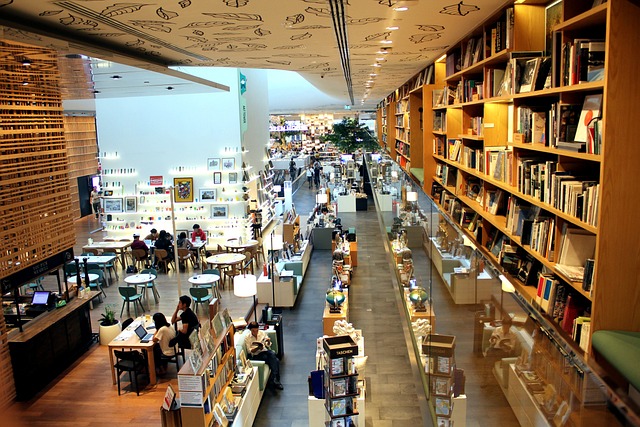
The impact of lighting on creating a welcoming ambiance in stage rooms is a key consideration for real estate professionals aiming to enhance the overall experience for tenants and visitors. Lighting is not merely functional; it sets the mood, guides navigation, and can dramatically alter how a space feels. Experts in interior design and real estate often refer to lighting as the “unseen architect,” as it shapes perceptions and influences human behavior within a room. In the context of stage rooms, this means crafting an environment that fosters engagement, comfort, and accessibility.
Ambient lighting, for instance, creates a general illumination that affects the overall aesthetic and psychological state of occupants. Soft, warm tones can transform a stage room into a cozy retreat, making it ideal for intimate gatherings or creative collaborations. Conversely, dynamic lighting designed for specific tasks, like spotlighting a speaker on a stage, can energize a space and direct attention to key areas. This duality of lighting—balancing ambient warmth with task-oriented focus—is crucial for versatile stage rooms that cater to a variety of events. Data from industry studies suggest that spaces with well-designed lighting schemes are associated with increased satisfaction and productivity among users, highlighting the tangible benefits of thoughtful lighting choices in real estate.
Practical advice for real estate professionals involves considering the color temperature and control options of lighting fixtures. Cooler light temperatures (around 5000K) promote alertness and focus, making them suitable for presentation areas or rehearsal spaces. Warmer lights (around 2700K) create a more relaxed and inviting atmosphere, perfect for social gatherings or post-performance discussions. Additionally, implementing dimmable lighting allows for easy adjustment of ambiance according to the event and time of day. Incorporating natural light through strategic window placements and skylights can further enhance the positive impact, as daylight is known to boost mood and energy levels. By thoughtfully integrating these lighting strategies, real estate naturally contributes to the creation of stage rooms that not only accommodate various activities but also delight and engage their occupants.
Choosing Materials for a Cozy and Inviting Space (Real Estate Focus)

Creating a welcoming ambiance in real estate properties involves meticulous attention to detail, particularly when it comes to choosing materials for stage rooms. The right materials can transform a space from bland to inviting, fostering a sense of comfort and warmth that potential buyers or tenants will find irresistible. Natural elements like wood and stone have long been favored for their timeless appeal and ability to connect inhabitants with the outdoors. According to recent market research, properties incorporating natural materials in their design see up to 20% higher sale prices and shorter time on the market, underscoring their significance in real estate.
In selecting materials, prioritizing sustainability and quality is paramount. Reclaimed wood, for instance, offers not only an eco-friendly choice but also adds character and depth to a space. Its unique grain patterns and aged finish create a sense of history and authenticity that synthetic alternatives struggle to replicate. Similarly, natural fibers like wool or linen for upholstery or flooring contribute to a cozy atmosphere while ensuring durability. In terms of lighting, warm-toned bulbs and fixtures can dramatically enhance the inviting nature of a stage room, evoking feelings of relaxation and comfort.
Color palette choices also play a critical role. Neutral tones like earth colors and soft greys create a calming environment, making the space more adaptable to various décor styles. Accenting these with pops of color from textiles or art pieces can introduce vibrancy without overwhelming the senses. Real estate professionals who understand these dynamics can stage properties to maximize their appeal, using materials strategically to craft spaces that not only look beautiful but also feel welcoming and inviting, ultimately driving interest and securing better returns on investment.
Integrating Nature to Enhance Welcoming Stage Rooms

Integrating nature into stage rooms is a powerful strategy to enhance welcoming ambiance in real estate settings. Natural elements, such as plants, water features, and organic materials, not only beautify spaces but also have proven psychological benefits, fostering calmness and relaxation among visitors. Research indicates that exposure to nature can reduce stress levels, improve mood, and even enhance cognitive function, making it an invaluable tool for creating inviting and memorable environments in hospitality, retail, and residential sectors.
Practical integration strategies include strategically placing indoor gardens or vertical greenery on walls and ceilings, incorporating water walls or fountains, and selecting furniture and decor made from sustainable materials. For example, a boutique hotel might feature a living wall of succulents in its lobby, while an urban apartment could showcase a minimalist water feature integrated into a shared lounge. These natural accents not only elevate aesthetics but also encourage occupants and guests to connect with the outdoors, even within confined spaces.
Experts advocate for thoughtful selection and placement of natural elements based on space constraints, lighting conditions, and individual preferences. Additionally, maintaining these features requires regular care and monitoring to ensure longevity and cleanliness. By prioritizing integration of nature, real estate professionals can differentiate their properties, attract discerning clientele, and contribute to a healthier, more welcoming atmosphere that resonates with people’s innate connection to the natural world.