Lighting and interior design significantly impact real estate curb appeal, property value, and psychological well-being. Natural light from strategic window placements and artificial lighting adjustments influence space ambiance. Incorporating natural elements like greenery and wood enhances aesthetics and air quality. Color palettes are powerful tools for creating inviting spaces that cater to diverse preferences in real estate settings, with warm tones for coziness, cool colors for tranquility, and specific color choices for various room purposes.
In today’s competitive market, the importance of creating a welcoming ambiance in stage rooms cannot be overstated. Real Estate is not just about physical space; it’s about crafting environments that captivate and engage. However, designing stage rooms that balance aesthetics with functionality presents a unique challenge. This article explores practical strategies and innovative solutions to transform these spaces into vibrant hubs of activity, ensuring that every visitor feels welcomed and inspired. By delving into the latest trends and expert insights, we offer valuable guidance for real estate professionals looking to enhance their offerings.
Understanding the Impact of Lighting on Real Estate Ambiance

Lighting plays a pivotal role in shaping the ambiance of any space, significantly influencing the overall perception of real estate properties. In the competitive landscape of real estate, understanding how lighting can transform spaces offers property developers, designers, and homeowners valuable insights for creating welcoming and visually appealing environments. The impact of lighting extends beyond mere aesthetics; it affects mood, energy levels, and even the perceived size and layout of a room.
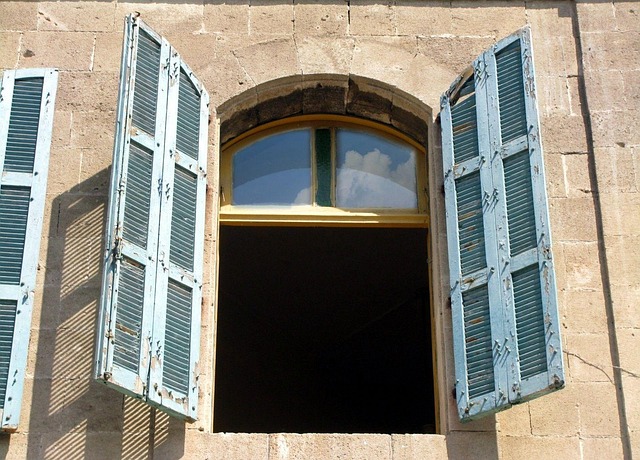
In residential settings, natural light is often regarded as a luxury, especially in urban areas where skyscrapers block out sunlight. Incorporating large windows, skylights, or sunrooms not only enhances curb appeal but also brightens interior spaces, making them feel more expansive and inviting. Studies have shown that homes with adequate natural lighting command higher prices and are in high demand compared to darker counterparts. For example, a 2018 real estate market analysis revealed that properties with optimal sunlight exposure sold at an average of 5% to 7% premium over similar listings lacking sufficient natural light.
Artificial lighting is another powerful tool for creating ambiance. Strategic placement of fixtures and the use of different color temperatures can dramatically alter the mood of a space. Warm, amber tones evoke coziness while cool, white lights promote alertness and focus. In real estate, this means designers can craft unique atmospheres tailored to specific rooms or even clients’ preferences. For instance, a bedroom might feature softer lighting for relaxation, while a home office could benefit from brighter, more direct illumination to enhance productivity. By understanding the psychological impact of light, professionals in the industry can guide clients towards making informed choices that not only enhance the visual appeal but also create functional and inviting spaces.
Incorporating Natural Elements for a Welcoming Interior Space

Incorporating natural elements into interior design has a profound impact on creating welcoming spaces, particularly in real estate settings where ambiance is key to attracting and retaining residents or clients. Drawing inspiration from the outdoors not only enhances aesthetic appeal but also offers numerous psychological benefits, fostering a sense of calm and connection to nature. This strategy is especially relevant in urban environments where access to natural light and greenery may be limited, making intentional design choices crucial.
One of the simplest yet most effective ways to bring nature indoors is through strategic lighting. Large windows or skylights maximize natural light during the day, creating an airy and open atmosphere. Incorporating mirrors on walls can further enhance this effect, reflecting available light and expanding the perception of space. At night, well-placed lamps or hanging plants can mimic ambient outdoor lighting, providing a soothing ambiance that encourages relaxation and conviviality. For instance, research suggests that exposure to natural light during the day can improve mood, energy levels, and productivity—effects that extend to indoor spaces designed with these principles in mind.
Greenery plays another vital role in cultivating a welcoming environment. Living plants not only add color and texture but also serve as natural air purifiers, improving indoor air quality. Incorporate potted plants of varying sizes throughout the space, or consider vertical gardens for larger areas. For real estate developers, this could translate into dedicated green spaces within buildings, such as rooftop gardens or interior courtyards, offering residents a serene retreat from urban life. Additionally, incorporating natural materials like wood or stone in furniture, flooring, or decorative accents reinforces the connection to nature and contributes to an overall harmonious atmosphere. These elements collectively create a space that feels both inviting and refreshing, ensuring potential residents or clients perceive the property as a pleasant and desirable place to reside or conduct business.
The Art of Color Palettes in Creating Inviting Environments

Creating a welcoming ambiance in stage rooms or any Real Estate setting is an art that heavily relies on color palettes. Colors have a profound impact on our emotions and perceptions, making them a powerful tool for designers and real estate professionals. A well-curated palette can transform a space from ordinary to extraordinary, inviting guests or potential buyers alike. The key lies in understanding the psychological effects of different hues and applying them strategically.
Warm tones like earthies and rich reds create a cozy and intimate atmosphere, perfect for gathering spaces. Soft yellows and pastels offer a calming effect, making them ideal for bedrooms or quiet retreats. Cool colors, such as blues and greens, evoke feelings of tranquility and relaxation, suitable for bathrooms or meditation areas. For instance, studies show that blue rooms can reduce stress levels, making them popular choices for home offices or hotels. By thoughtfully integrating these colors, professionals can manipulate the mood and energy of a space to match its intended purpose.
Practical insights reveal that using color consistently throughout a stage room enhances the overall flow and coherence of the design. Accentuating focal points with complementary shades draws the eye and creates visual interest. Additionally, introducing pops of contrasting colors adds dynamism and makes spaces appear more vibrant. For real estate, this translates to enhancing the appeal of properties by showcasing well-designed color schemes that cater to diverse preferences. Ultimately, the art of color palettes is not just about aesthetics; it’s about crafting environments that resonate with people on a deeper level.