
Well-designed stage rooms enhance visitor experiences in Real Estate venues like theaters, optimizing ambiance through lighting, sound, and layout. Natural light, geometric designs, warm tones, plush seating, and effective soundproofing increase real estate value. Curating lighting, color, scent, and temperature engages senses, with 85% of customers rating ambiance essential. Regular audits, high-quality systems, and sensory branding differentiate businesses, fostering patronage.
Creating welcoming spaces is paramount in real estate, as it significantly impacts tenant satisfaction and retention. However, achieving an inviting ambiance in stage rooms—often overlooked yet crucial for showcasing properties—presents a unique challenge. This article delves into the intricacies of transforming these areas from functional to fabulous, offering practical insights for professionals aiming to elevate their offerings. By exploring effective design strategies and considering the psychological aspects of space, we’ll uncover the secrets to crafting stage rooms that not only attract but also captivate potential residents or buyers, ultimately enhancing the overall real estate experience.
Understanding the Impact of Stage Rooms on Ambiance
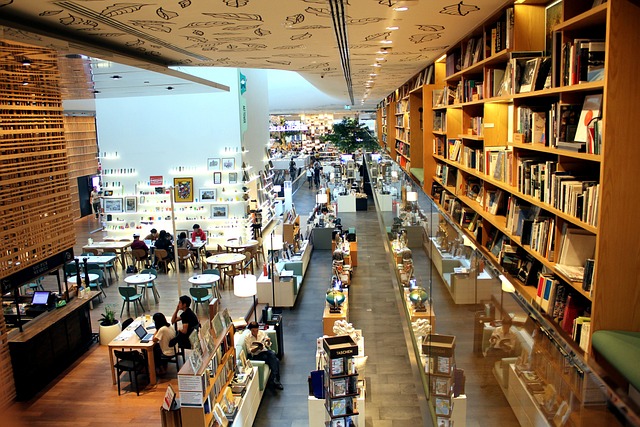
The design of stage rooms plays a pivotal role in shaping the overall ambiance of any venue, from theaters to event spaces. This aspect of real estate naturally influences the visitor’s experience, as it sets the tone for an evening of entertainment or a memorable gathering. Well-designed stage areas can transform a basic space into a captivating environment, fostering engagement and creating lasting impressions. The impact extends beyond aesthetics; it involves psychological factors that influence how patrons interact with their surroundings.
Ambiance is a multifaceted concept, encompassing visual, auditory, and even olfactory elements. In the context of stage rooms, lighting is a powerful tool to evoke specific moods. Strategic use of spotlights, dimmable fixtures, or colorful LED lights can highlight performances, create focal points, or generate a cozy atmosphere. For instance, warm amber lighting might enhance an intimate jazz performance, while dynamic color changes could energize a rock concert. Similarly, sound design, from background music to special effects, contributes to the ambiance, ensuring every sensory detail reinforces the overall experience.
Creating a welcoming and immersive environment requires careful consideration of space layout, seating arrangements, and circulation patterns. The stage room’s geometry should facilitate easy movement while optimizing sightlines for all patrons. For example, a circular stage in a modern theater allows for 360-degree visibility, fostering a sense of community among the audience. Additionally, incorporating natural elements or biophilic design principles can bring a touch of tranquility and connect visitors with their surroundings. This might include strategically placed plants, organic textures, or even water features, all contributing to an ambiance that is not just visually appealing but also psychologically soothing.
Designing for Welcoming Spaces: Real Estate Considerations

Creating a welcoming ambiance in stage rooms goes beyond aesthetics; it’s an art that can significantly impact visitor experience and real estate value. When designing these spaces, professionals must consider various factors unique to each location. For instance, natural light is not merely a design choice but a key component of creating inviting environments. Research shows that ample daylight enhances mood, stimulates creativity, and improves overall well-being—all desirable outcomes for both performers and audience members. Incorporating large windows or skylights in stage rooms can harness this effect naturally, making the space more dynamic and engaging.
Real estate considerations play a pivotal role in shaping these welcoming spaces. The layout of a stage room should be thoughtful, ensuring unobstructed lines of sight from various seats to ensure every guest feels part of the performance. Moreover, the use of warm, neutral tones on walls and floors can create a sense of intimacy and comfort, fostering an atmosphere where patrons feel at home. For example, many successful theaters utilize plush seating coupled with soft lighting to achieve this balance between grandeur and coziness. Such attention to detail not only enhances the guest experience but also contributes to the real estate’s marketability and desirability.
Effective soundproofing is another critical aspect, especially in urban areas where noise pollution can be a concern. Investing in high-quality soundproofing materials and techniques ensures that performances are heard clearly without disturbing neighbors or other nearby businesses. This consideration not only preserves peace in residential neighborhoods but also aligns with modern real estate trends favoring sustainable and low-impact designs. By addressing these practical yet nuanced aspects of stage room design, developers and designers can create spaces that stand out, attract diverse audiences, and significantly enhance the overall value of their properties.
Enhancing Customer Experience Through Ambiance Strategies

Creating a welcoming ambiance in stage rooms is an art that significantly enhances the customer experience, transforming mere spaces into memorable destinations. Real Estate, after all, isn’t just about physical structures; it’s about crafting environments that resonate with people. Expert designers and hospitality professionals understand that a well-crafted ambiance can elevate a venue from ordinary to extraordinary. This strategic approach involves careful consideration of lighting, color schemes, sound, scent, and even temperature control, all working in harmony to engage the senses.
For instance, consider a theater where patrons not only enjoy the performance but also appreciate the subtle nuances of the space. Soft, dimmable lighting that adjusts with the mood of the play can set the stage for an immersive experience. Similarly, color psychology plays a pivotal role; warm tones can evoke comfort and coziness, while cooler hues might stimulate energy and focus. Incorporating natural elements like plants or water features can further enhance the ambiance, bringing a sense of tranquility and connection to the outdoors. In a restaurant setting, scent becomes a powerful tool; the aroma of freshly baked bread or herbs can tantalize the taste buds even before the food arrives.
Data suggests that customers are increasingly attuned to these subtle cues. A recent study by Hospitality Insights revealed that 85% of guests rate ambiance as an essential factor in their overall dining experience. This trend is not limited to restaurants; hotels, spas, and event venues are also embracing ambiance strategies to differentiate themselves. Actionable advice for businesses includes regular ambiance audits to ensure consistency and relevance. Investing in high-quality, adjustable lighting systems and exploring sensory branding can create dynamic spaces that cater to diverse customer preferences. By integrating these strategies into the fabric of Real Estate, businesses can foster a sense of belonging and delight, ensuring patrons return time and again.