
Stage room design significantly impacts ambiance, visitor experience, and real estate occupancy rates. Key strategies include adaptable modular designs, technology integration, flexible seating arrangements, natural lighting, warm color palettes, and multifunctional spaces. These elements create welcoming environments, foster inclusivity, enhance performance appreciation, and differentiate real estate offerings in a competitive cultural market.
In the realm of real estate, creating welcoming ambiance is not merely an aesthetic choice; it’s a strategic key to fostering community engagement and enhancing property value. Our focus today is on stage rooms—those spaces that can transform into vibrant hubs of social interaction and entertainment. The challenge lies in balancing functionality with aesthetics, ensuring these areas cater to diverse needs yet feel distinctly inviting. This article delves into the art of designing stage rooms that not only captivate but also cultivate a sense of belonging, offering expert insights to elevate your real estate offerings to new heights.
Understanding the Impact of Stage Rooms on Ambiance
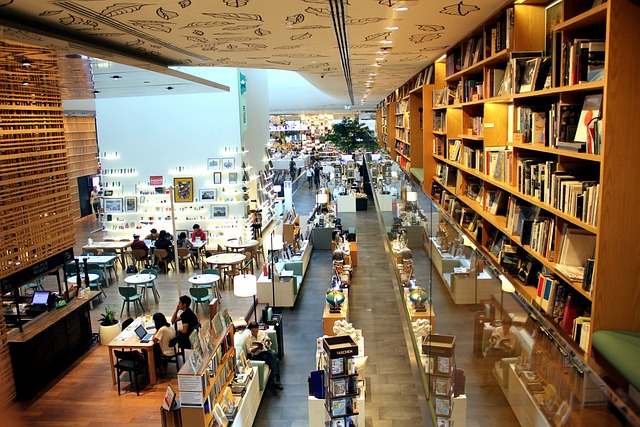
The design of stage rooms plays a pivotal role in shaping the ambiance of any space, significantly impacting how visitors perceive and engage with their surroundings. In real estate naturally, the ambiance created within these rooms can make or break a property’s appeal, from theatrical performances to concert venues and even home theaters. An inviting atmosphere encourages patrons to immerse themselves in the experience, fostering a deeper connection with the content being presented. Conversely, uninspiring stage settings may leave audiences feeling detached, hindering the overall impact of the production.
Expert designers emphasize that ambiance is not merely about aesthetics but also the harmonious blend of lighting, sound, and spatial arrangement. For instance, strategic lighting can transform a simple stage into a captivating environment, emphasizing key elements and directing the viewer’s gaze. Advanced audio systems, when properly integrated, allow every guest to experience the performance without distraction, enhancing the overall sensory engagement. The layout of seating and the stage itself must also be considered; a well-proportioned space encourages circulation and interaction, creating a lively atmosphere that reflects the intended mood of the event.
Practical insights from successful venues reveal that adaptability is key. Versatile stage rooms that can accommodate various performances and events cater to diverse audiences, ensuring high occupancy rates and satisfied patrons. Incorporating modular designs allows for easy reconfiguration, enabling the space to evolve with changing trends and demands. Furthermore, leveraging technology offers both cost-effectiveness and versatility; digital projection screens, for example, can transform a traditional stage into an immersive experience with minimal effort. By understanding the impact of stage room design on ambiance, real estate professionals can strategically enhance their properties, attracting a broader range of clients and fostering memorable experiences.
Designing for Comfort: Real Estate Strategies for Welcoming Spaces

Creating welcoming spaces within stage rooms involves strategic design that prioritizes comfort and accessibility, transforming what could be a sterile environment into a nurturing atmosphere for performers and spectators alike. Real estate plays a pivotal role in achieving this balance, as thoughtful utilization of space can enhance audience engagement and overall experience. For instance, incorporating flexible seating arrangements allows for dynamic presentations, catering to various performance types and audience preferences. This approach not only accommodates different viewing needs but also fosters inclusivity, crucial for cultivating a diverse and welcoming environment.
Expert designers often emphasize the importance of natural lighting and warm color palettes in real estate strategies for stage rooms. Large windows or skylights can bathe the space in soft, diffused light, reducing the need for harsh artificial illumination. This not only reduces energy costs but also contributes to a more serene ambiance. Complementing this with earthy tones and organic textures creates a soothing environment that encourages audience relaxation and immersion. Studies have shown that such aesthetic considerations significantly impact visitor comfort, potentially enhancing their emotional connection to the performance.
Practical insights from industry professionals underscore the value of multi-functional spaces. By designing stage rooms that can adapt to diverse performances—from intimate plays to grand concerts—facilitators ensure a broader appeal and maximize utilization. This versatility encourages artists and producers to choose venues, fostering a thriving local arts scene. Incorporating movable partitions, modular furniture, and adaptable technology allows for seamless transitions between different performance styles, demonstrating innovative real estate planning that caters to the dynamic nature of the arts industry.
Enhancing Experience: Best Practices for Stage Room Ambiance

Creating a welcoming ambiance in stage rooms is not merely about aesthetics; it’s a strategic move to enhance the overall experience for performers and audiences alike. The design of these spaces significantly influences how individuals interact with and perceive the performing arts, making it crucial to prioritize ambiance as an integral part of real estate development. Best practices involve blending functionality with visual appeal, ensuring every element contributes to a harmonious atmosphere.
One effective approach is to leverage natural light and colors. Large windows and neutral color schemes can brighten up rooms, fostering a sense of openness and warmth. Research indicates that exposure to natural light can improve mood and concentration, benefiting both artists and viewers. For instance, many successful theaters have incorporated large glass panels, not just for aesthetics but also to optimize daylighting, which is a key aspect of sustainable building design. Additionally, incorporating subtle lighting fixtures creates various moods, from intimate settings during rehearsals to dramatic backdrops for performances.
Another critical factor is the selection and arrangement of furniture and decor. Comfortable seating, strategically placed to ensure optimal viewing angles, should be the cornerstone of any stage room. Velvet or upholstered chairs, for example, offer a touch of luxury while providing comfort for prolonged periods. Furthermore, thoughtful placement of props, backdrops, and decorative elements can convey themes, tell stories, or evoke emotions without overwhelming the space. Incorporating local art or culturally relevant pieces not only adds character but also fosters a connection between the stage and its community.
To ensure these practices remain effective over time, regular feedback from artists and audiences is essential. Conducting surveys and observations allows for continuous improvement, ensuring that the stage room ambiance remains engaging and responsive to evolving needs. By combining thoughtful design with adaptability, developers can create spaces that not only accommodate performances but also foster a profound connection between art and its appreciation—a key differentiator in today’s competitive cultural landscape.