
Strategic lighting and color schemes are powerful tools in real estate to enhance ambiance, comfort, and property value. Layered lighting techniques create balanced schemes for diverse activities. Warm and cool tones impact space perception, with lighter colors offering an expansive illusion and darker shades adding depth. Acoustic design, modeled after renowned concert halls, manipulates sound reflection, absorption, and transmission to achieve balanced reverberation times, ensuring clear audio experiences. Real estate professionals can create engaging, memorable spaces by integrating these principles.
In today’s highly competitive real estate market, creating a welcoming ambiance in stage rooms is more than just an aesthetic consideration—it’s a strategic imperative. The way a space feels can significantly influence potential buyers’ or renters’ decisions, often within seconds of entering. However, many properties struggle to balance functionality with inviting design. This article delves into the art and science of optimizing stage rooms for maximum appeal, offering insights and strategies that cater to both real estate professionals and property owners seeking to enhance their listings’ first impressions.
Understanding the Impact of Lighting on Real Estate Ambiance
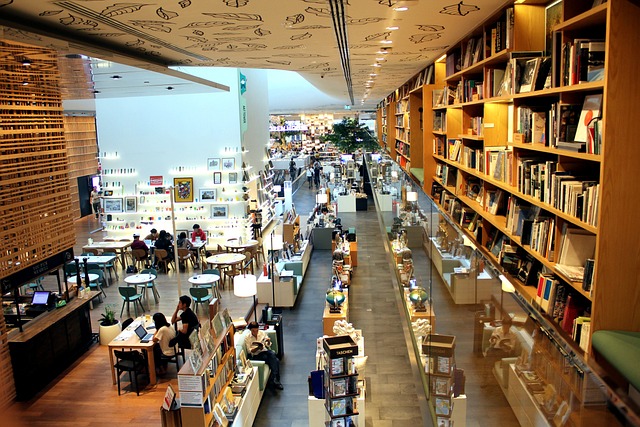
The impact of lighting on real estate ambiance cannot be overstated. Lighting is not merely a functional element; it is an artistic tool that can dramatically transform spaces, evoking emotions, guiding movements, and enhancing overall comfort. In residential properties, strategic use of lighting can accentuate architectural features, create cozy nooks, or open up expansive areas. Commercial spaces, such as offices, retail stores, and hotels, benefit from well-planned lighting schemes to foster productivity, engage customers, and create memorable experiences. Real estate professionals who understand the subtleties of light and shadow can capitalize on these effects to elevate their listings’ appeal.
For instance, natural light is a highly sought-after asset in real estate, contributing significantly to space’s desirability and market value. According to a study by the International Real Estate Federation (FIRE), homes with ample natural lighting sell for 5% to 10% more than comparable properties with limited sunlight exposure. This effect can be optimized through strategic window placement, skylights, or light tubes, ensuring that spaces are not only well-lit but also bathed in inviting daylight. Conversely, the use of task lighting, such as table lamps and undercabinet lights, enhances functionality while adding depth to a room’s aesthetic.
Expert lighting designers often employ layering techniques to create ambient, task, and accent lighting. Ambient lighting sets the overall mood, while task lighting ensures areas for specific activities are sufficiently illuminated. Accent lighting, on the other hand, draws attention to key features or artwork. In real estate contexts, this translates into creating well-balanced lighting schemes that cater to various activities—a cozy reading nook by a window, a brightly lit kitchen island, or an elegant dining area with dimmable chandelier lighting. By understanding and implementing these principles, real estate professionals can stage properties to maximize their appeal, providing potential buyers or tenants with spaces that feel not just welcome but truly at home.
The Art of Color Schemes for Welcoming Spaces

The art of color schemes plays a pivotal role in shaping the ambiance of any space, especially within stage rooms designed to create welcoming environments. In real estate, first impressions matter, and the strategic use of colors can significantly influence how guests perceive and engage with a property. A well-considered palette has the power to transform a room from merely functional to inviting and captivating.
Warm hues like earth tones (terra cotta, burnt orange) and rich reds have long been associated with hospitality and comfort. These colors instantly evoke a sense of warmth and can make smaller spaces appear larger, making them ideal for creating an expansive and welcoming atmosphere in stage rooms. For instance, consider a theater with walls painted in soft shades of beige or golden yellow; the result is a cozy ambiance that encourages audiences to immerse themselves in the performance. Conversely, cool tones like calming blues and soothing greens can provide a refreshing and tranquil effect, making them suitable for relaxation areas within real estate properties.
When designing stage rooms, it’s essential to consider not only aesthetic appeal but also practical factors. Lighter colors reflect light, creating an illusion of space, while darker shades can add depth and drama. For example, a ballet studio or dance floor could benefit from white or off-white walls, enhancing the natural lighting and making the space appear more expansive. In contrast, a meditation corner within a wellness retreat might utilize deeper blues or greens to foster a sense of calm and tranquility. By combining colors thoughtfully, professionals in real estate can create dynamic and engaging spaces that cater to various purposes while ensuring guests feel right at home.
Enhancing Acoustic Design for Ideal Stage Rooms

Creating an inviting ambiance in stage rooms is paramount to ensuring a memorable experience for audiences and performers alike. One of the most critical components of this endeavor is acoustic design. The way sound is reflected, absorbed, and transmitted within a space significantly impacts the overall atmosphere and quality of the performance. In real estate terms, think of it as enhancing the property’s natural appeal by fine-tuning its auditory features.
Expert akusticians emphasize the importance of balancing reverberation and echo. Optimal acoustic design strives for adequate reverberation time, allowing sound to linger pleasantly without creating undesirable echoes that can muddle speech or musical notes. This balance is achieved through strategic placement of diffusers, absorbers, and reflectors. Diffusers help to scatter sound waves, preventing sharp reflections while maintaining a rich sonic environment. Absorbers mitigate unwanted echo by converting sound energy into heat, particularly useful in larger spaces. Reflectors, on the other hand, are strategically positioned to enhance desired sounds, ensuring every audience member enjoys a clear and consistent audio experience.
For instance, renowned concert halls worldwide prioritize acoustic design as a core component of their architecture. The Berlin Philharmonie, known for its exceptional acoustics, features unique diffuser panels that subtly alter sound waves, resulting in remarkable clarity and depth. This attention to detail underscores the impact thoughtful acoustic design can have on real estate spaces, whether they are temporary stage rooms or permanent performance halls. By investing in expert consultations and implementing tailored solutions, property developers and venue managers can elevate the overall visitor experience, fostering an environment that truly comes alive with every performance.