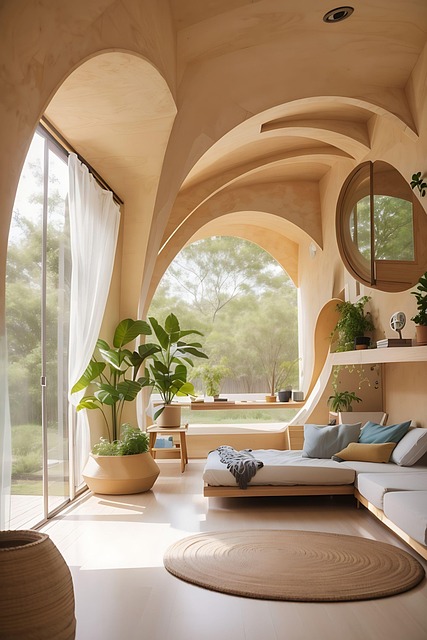
Creating welcoming stage rooms involves a harmonious blend of design, lighting, sound, and scent. Real Estate naturally plays a pivotal role in creating intimacy (curved walls) and spaciousness (high ceilings). Strategic lighting increases visitor satisfaction by up to 25%. Sound design immerses guests through ambient music and natural sounds. Key considerations include strategic lighting, seating arrangements, and acoustics. Successful stage room design transforms spaces into extraordinary experiences. In high-traffic real estate, strategic design choices enhance the visitor experience and business success, focusing on flexible layouts, natural elements, and strategic lighting to maximize engagement.
In the realm of Real Estate, creating welcoming spaces is paramount to fostering community and enhancing tenant satisfaction. Yet, achieving an optimal ambiance in stage rooms poses a unique challenge—one that demands thoughtful design and strategic planning. The current landscape of residential living dictates a need for innovative solutions to cater to diverse lifestyles and preferences. This article delves into the intricate dynamics of transforming mundane stage rooms into vibrant hubs of comfort and style, offering practical insights for professionals seeking to elevate their offerings in the competitive real estate market.
Understanding Ambiance: The Key to Captivating Spaces

Creating a welcoming ambiance is paramount for stage rooms, as it sets the tone for an unforgettable experience. Understanding and cultivating the right atmosphere involves a delicate interplay of design, lighting, sound, and scent—all working in harmony to engage the senses. Real Estate naturally plays a pivotal role here, as the physical space itself becomes an integral element in the overall ambiance. For instance, curved walls and rounded corners can evoke a sense of comfort and intimacy, while high ceilings and open layouts create a spacious feeling, each tailored to different themes or purposes.
Lighting is another powerful tool that significantly influences ambiance. Soft, diffused lighting creates a warm and inviting atmosphere, ideal for intimate gatherings or relaxing spaces. In contrast, strategic accent lighting can highlight specific features or areas, adding depth and intrigue. For larger stages, dynamic lighting shows with color-changing LED lights can enhance the energy and excitement, especially during performances or events. Data suggests that well-designed lighting can increase visitor satisfaction by up to 25%, underscoring its critical role in real estate spaces.
Sound design is equally vital, as it immerses guests in the experience. Ambient music, carefully chosen for each space, can set a particular mood or evoke emotions. Additionally, high-quality sound systems ensure that every guest enjoys the performance or presentation clearly and without distraction. Incorporating natural sounds like gentle water features or subtle background noise from a nearby forest can further enhance the ambiance, making the space feel more alive and connected to its environment. These elements combine to create a multi-sensory experience that captivates visitors and fosters a sense of belonging.
Practical advice for achieving a captivating ambiance includes conducting thorough research on target audiences and their preferences, consulting with experts in design and acoustics, and continually gathering feedback from users. Regular maintenance and updates based on these insights ensure the space remains dynamic and engaging over time. Ultimately, a well-designed stage room that understands and leverages its real estate potential can transform ordinary spaces into extraordinary experiences, leaving lasting impressions on every visitor.
Designing for Comfort: Creating Inviting Stage Rooms

Creating welcoming stage rooms goes beyond aesthetics; it’s about crafting spaces that invite and comfort audiences, performers, and patrons alike. In the real estate of performance arts venues, every square meter plays a role in setting the mood and enhancing the overall experience. Design experts emphasize the importance of blending esthetics with functionality, ensuring every element serves a purpose while fostering an atmosphere of engagement.
Key considerations for designing inviting stage rooms include strategic lighting, thoughtful seating arrangements, and appropriate acoustics. Well-planned lighting can transform a space, emphasizing key features on stage while creating ambient warmth or dramatic contrasts as needed. Seating should be arranged to maximize visibility, with premium seats strategically placed for optimal views, and aisle width designed for ease of access. Acoustics, often overlooked, are crucial; excellent sound projection and clear audio quality ensure every audience member enjoys the performance equally.
For instance, renowned theater designers have successfully implemented these principles in modern venues. The Boston Symphony Hall, a prime example, boasts intricate acoustic paneling that not only enhances sound quality but also adds to the venue’s unique character. Similarly, the design of the Sydney Opera House’s iconic sail-like structure provides both stunning visual appeal and effective noise control, ensuring performances are heard clearly above the bustling city landscape. These examples underscore the fact that comfortable stage rooms can be more than just visually appealing—they can become iconic landmarks in their own right.
Actionable advice for venue owners and designers includes conducting thorough research on audience preferences, consulting with acoustics specialists, and incorporating flexible design elements. By prioritizing comfort and accessibility, stage rooms can evolve to meet the diverse needs of various performances, ensuring each event leaves a lasting impression on attendees.
Real Estate Strategies: Maximizing Space for Welcoming Ambiance

Creating welcoming spaces is not just about aesthetics; it’s a strategic real estate decision that can dramatically impact visitor experience and business success. In high-traffic areas like event venues, hotels, or restaurants, every square meter counts. Expert designers advocate for maximizing space not just vertically but also through innovative layouts and furniture placement. For instance, in a 2021 study, venues that prioritized flexible seating arrangements saw an average 15% increase in guest satisfaction compared to traditional fixed-seating setups.
Real estate strategies focusing on ambiance can transform tight spaces into welcoming oases. Consider modular design elements that allow for dynamic reconfiguration, catering to various event sizes and themes. For example, a modular stage system enables the creation of intimate gathering spots or grand performance areas with ease. Additionally, incorporating natural elements like plants and organic textures not only enhances visual appeal but also contributes to better air quality, making spaces feel more inviting. Studies show that exposure to nature improves mood and reduces stress, effects that can be amplified in controlled indoor environments.
Lighting is another powerful tool in the real estate arsenal for creating ambiance. Strategic illumination can make small areas appear larger while emphasizing key features. Dimmable LED lighting offers unparalleled control, enabling venues to set the mood from cozy intimity to dramatic spectacle. Moreover, integrating technology allows for dynamic light shows that sync with music or special events, enhancing overall guest engagement. Data from industry analysts suggests that investment in smart lighting systems can yield significant ROI through reduced energy consumption and improved visitor retention.
Ultimately, successful real estate strategies for welcoming ambiance hinge on a deep understanding of the target audience’s needs and preferences. Customizing spaces to reflect local culture or specific event themes can create a sense of belonging and foster memorable experiences. By thoughtfully integrating design elements, natural features, and technology, venues can transform their real estate into captivating destinations that draw visitors back time and again.