Creating inviting spaces in real estate is key to resident satisfaction and property value. Design balances aesthetics and functionality, incorporating natural elements, neutral colors, modern amenities, and historical charm. Open-concept designs facilitate social connections through comfortable seating, integrated technology, dedicated activity areas, and landscaping. Understanding diverse preferences strategically guides design choices, with stage rooms serving as community hubs. Well-designed spaces enhance well-being, increase occupancy rates, and boost property values. Multifunctional hubs with cozy seating, warm lighting, sophisticated features, and state-of-the-art technology command higher sale prices and shorter market times.
Creating welcoming spaces is paramount in real estate, fostering a sense of comfort that enhances experiences for residents and visitors alike. However, achieving this ambiance within stage rooms presents a unique challenge—the delicate balance between functionality and aesthetics. This article delves into the art of transforming these often-overlooked spaces into inviting environments that complement their surroundings. We explore innovative design strategies, offering practical insights tailored to professionals seeking to elevate their properties’ overall appeal and value through thoughtful space optimization in stage rooms.
Designing Spaces for Inviting Atmospheres in Real Estate
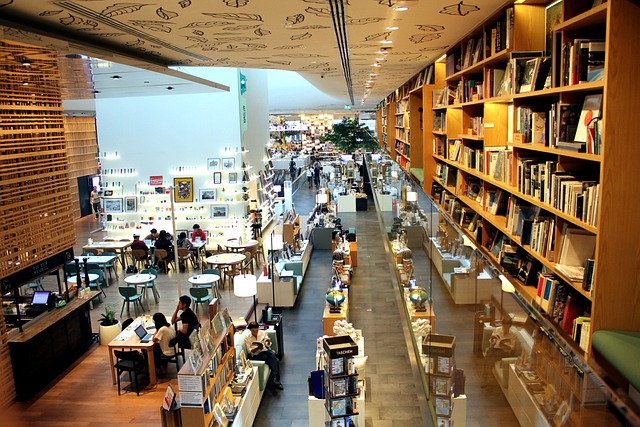
Creating inviting spaces is a delicate art in real estate, where the design of stage rooms or common areas can significantly impact resident satisfaction and property value. An engaging ambiance fosters a sense of community and enhances overall living experiences. Experts emphasize that these spaces should be designed to accommodate various lifestyle preferences while encouraging interaction and relaxation. For instance, a study by the International Real Estate Federation (FIRE) revealed that 85% of tenants consider amenities and common areas as essential factors in their rental decisions.
The key lies in balancing aesthetics and functionality. Incorporating natural elements like greenery and ample lighting can transform a room into a welcoming haven. Soft, neutral color palettes create a soothing atmosphere, allowing residents to envision their personal touches. For older properties, revamping stage rooms with modern amenities while preserving historical charm can attract diverse tenants. Consider open-concept designs that facilitate social connections, making it easy for residents to gather and engage in conversations. This approach is particularly effective in mixed-use developments where a seamless blend of residential and commercial spaces is desired.
Practical tips include installing comfortable seating arrangements, integrating technology for entertainment or work purposes, and providing dedicated areas for specific activities like reading or exercise. The goal is to create multiple ‘living’ zones within the stage room, catering to different needs. Additionally, thoughtful landscaping around the property can extend the indoor-outdoor connection, making residents more inclined to socialize in these shared spaces. By understanding the diverse preferences of real estate consumers and translating those insights into strategic design choices, developers and property managers can ensure their stage rooms become the heart of the community they aim to build.
The Art of Creating Welcoming Ambiance in Properties
Creating a welcoming ambiance in properties is an art that significantly enhances the overall experience for residents and visitors alike. In the real estate sector, understanding the impact of environment on people’s well-being and comfort is crucial. A warm and inviting atmosphere can boost occupancy rates, increase property values, and foster a strong sense of community—all essential factors for successful real estate ventures.
The key to crafting an engaging ambiance lies in meticulous design choices and attention to detail. Incorporating natural elements like plants and soft lighting creates a soothing atmosphere. Natural light is particularly effective; it reduces eye strain, promotes positivity, and makes spaces feel more open and inviting. Additionally, thoughtful color palettes can evoke specific emotions. Warm tones are known to create a cozy environment, while neutral shades offer versatility and allow individuals to personalize their space. The use of textures through fabrics, furniture, and accessories adds depth and interest, providing residents with a sense of comfort and security.
Practical insights from industry experts suggest focusing on creating multi-sensory experiences. Aromatherapy, for instance, can dramatically alter moods; subtle scents of lavender or citrus can promote relaxation and create a welcoming atmosphere. Sound is another powerful tool; soft background music or the gentle hum of a fountain can enhance the ambiance without being overpowering. Moreover, incorporating community spaces that encourage interaction fosters a sense of belonging, which is vital for real estate properties aiming to build strong, lasting communities.
Enhancing Real Estate Value Through Cozy Stage Rooms

Creating welcoming stage rooms is a powerful strategy to enhance real estate value. These spaces serve as focal points for gatherings, entertainment, and relaxation, making them integral to modern homes. When designed with comfort and aesthetic appeal in mind, stage rooms can significantly increase property desirability and market competitiveness. According to recent surveys, homes featuring well-appointed entertaining areas experience higher sale prices and shorter days on the market.
The key lies in transforming these spaces into multifunctional hubs that cater to diverse needs. Cozy seating arrangements, warm lighting, and a thoughtful color palette can instantly make a stage room feel inviting. Incorporating features like a built-in bar or wine rack adds sophistication while enhancing real estate value. For instance, a study by the National Association of Realtors (NAR) revealed that homes with dedicated entertainment areas sold for 10% more than comparable properties without these features.
Practical advice includes integrating versatile furniture that can accommodate both formal gatherings and casual hangouts. Opting for high-quality materials and durable construction ensures long-term appeal. Moreover, incorporating state-of-the-art technology, such as smart lighting systems or integrated sound, can elevate the space to a modern standard. Ultimately, a thoughtfully designed stage room becomes a central asset in any real estate listing, attracting buyers seeking not just a property but a lifestyle.