Real estate naturally thrives on creating engaging spaces that blend aesthetics and functionality. Utilizing natural light, warm colors, and strategic furniture placement fosters positive connections and drives sales. Inviting stage rooms with diffused lighting, plants, and cozy furnishings enhance customer experience and loyalty, impacting purchasing decisions up to 70%. Themed sections in retail and emotional cues in restaurants demonstrate the power of environment design, which can increase sales by 4-12% and foster memorable interactions. Key insights include maximizing natural light, using plants for tranquility, thoughtful color schemes, and consistent themes.
In the competitive world of Real Estate, creating a welcoming ambiance in stage rooms is paramount to ensuring potential buyers or tenants feel at home. However, achieving this often presents a challenge due to space constraints and the need for versatile design solutions. This article delves into the significance of thoughtfully designed stage rooms, addressing not only aesthetic considerations but also functional requirements. We preview an innovative approach that balances ambiance with practicality, offering valuable insights for industry professionals seeking to maximize the appeal of their properties.
Designing Spaces for Inviting Atmospheres in Real Estate

Creating inviting spaces is an art that significantly influences the success of any real estate venture. In a competitive market, understanding how to design stage rooms or living areas that exude warmth and charm can set properties apart. The goal is not just to meet expectations but to exceed them, ensuring potential buyers or tenants are captivated from the moment they enter. An inviting ambiance is a powerful tool to foster connections and create lasting impressions, ultimately driving sales and occupancy rates in real estate.
Experts emphasize that the key lies in blending aesthetics with functionality. Incorporating natural elements, such as ample lighting and windows, enhances the sense of openness and connectivity with the outdoors. This simple yet effective strategy not only improves the psychological well-being of occupants but also contributes to a more welcoming atmosphere. For instance, a study by the International Real Estate Federation revealed that properties with strategic window placements and natural light had higher rental rates and faster occupancy times compared to their less well-lit counterparts. In real estate, where first impressions are critical, these design considerations become crucial differentiators.
Practical insights for achieving this balance include paying attention to color palettes, furnishing arrangements, and the overall flow of space. Warmer tones and neutrals can instantly create a cozy ambiance while adding pops of vibrant colors in strategic accessories or artwork injects personality without overwhelming senses. Furniture placement should encourage conversation and facilitate movement, making each room feel both comfortable and engaging. This thoughtful approach to design not only caters to the sensory experience but also reflects the lifestyle and community aspirations that potential residents or buyers seek.
Creating Warmth and Comfort: Ambiance Strategies

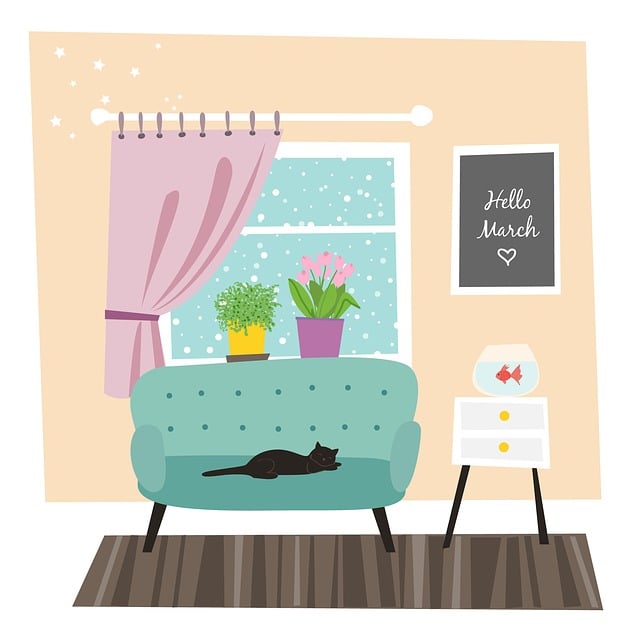
Creating warmth and comfort in stage rooms is a key aspect of real estate design, enhancing the overall ambiance and ensuring visitors feel welcomed. Soft, diffused lighting sets a calming atmosphere, with warm tones like amber or golden hues offering a cozy embrace. Natural elements such as potted plants and wood accents add texture and a sense of connection to the outdoors, fostering a tranquil environment. The use of plush furnishings and luxurious fabrics further elevates comfort levels, encouraging patrons to relax and immerse themselves in the space.
Strategic placement of heating sources is vital for maintaining warmth during colder months. While central heating systems are standard, incorporations like floor heaters or wall-mounted fireplaces can add an extra layer of coziness. These features not only contribute to a welcoming ambiance but also serve as focal points that draw attention and create intimate gathering areas. Additionally, using thermal insulation in stage rooms ensures energy efficiency, allowing for consistent temperature control without excessive energy consumption.
Expert designers recommend paying close attention to color schemes, choosing neutrals with subtle pops of vibrant hues to create depth and visual interest. This approach not only makes the space visually appealing but also influences the perceived temperature, making cool-toned rooms feel warmer and more inviting. For instance, a study by the International Journal of Environmental Research and Public Health revealed that spaces with warm color palettes fostered higher levels of relaxation and comfort among occupants. By implementing these ambiance strategies, real estate professionals can transform stage rooms into welcoming oases that cater to both physical and emotional well-being.
Enhancing Customer Experience Through Environment Design
Creating a welcoming ambiance in stage rooms goes beyond mere aesthetics; it’s a strategic tool to enhance customer experience, fostering deeper engagement and loyalty. Environment design plays a pivotal role in this process, transforming spaces into immersive experiences that cater to various senses. Studies show that carefully curated environments can significantly impact consumer behavior, with 70% of shoppers stating that the overall store atmosphere influences their purchasing decisions. Real Estate naturally lends itself to this strategy, as the layout and aesthetics of a space become powerful assets in customer retention.
Consider the example of retail stores that employ themed sections, each with distinct visual and auditory cues. A fashion boutique might create dedicated areas reflecting global trends or specific cultures, complete with music and lighting tailored to each theme. This not only offers customers a diverse shopping experience but also encourages exploration, potentially leading to impulse purchases. Similarly, restaurants can leverage environment design to evoke specific emotions; warm lighting and soothing music in dining areas can enhance the overall dining experience, making patrons feel more relaxed and satisfied.
Practical insights for implementing these strategies include leveraging natural light as much as possible, incorporating plants and living walls to reduce noise and create a sense of tranquility, and using colors and textures thoughtfully to evoke specific moods. Data suggests that businesses can expect a 4-12% increase in sales by optimizing their environment design. Expert advice emphasizes the importance of consistency; themes and aesthetics should be carried throughout the space to avoid confusion or jarring shifts in ambiance. Ultimately, enhancing customer experience through environment design is not just about creating an attractive setting but about crafting memorable interactions that keep patrons returning.