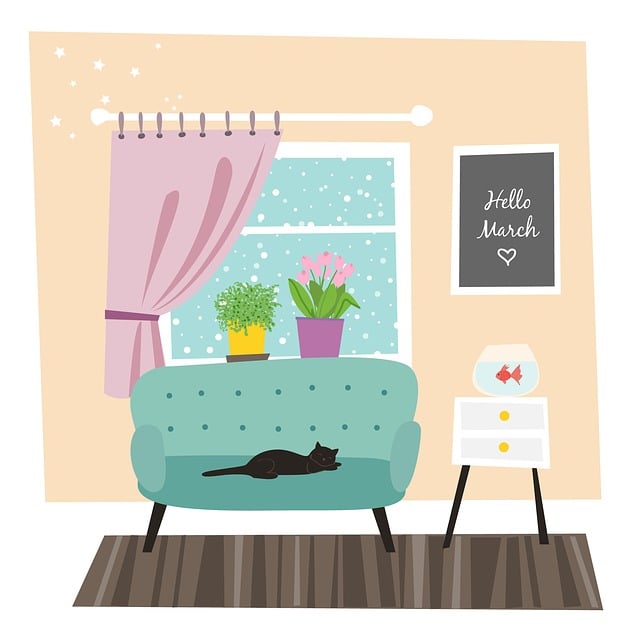
Real Estate Naturally relies on welcoming spaces to attract buyers and tenants, increasing property value. This involves aesthetic and functional design, including color psychology, lighting, texture, and comfort. Strategic room layouts in stage areas cater to diverse audiences, enhancing guest experience and venue utilization. Versatile spaces with modular furniture and natural elements adapt to events, ensuring competitiveness in a growing global market.
In the realm of Real Estate, creating welcoming spaces is not merely an aesthetic choice; it’s a strategic move to captivate and retain clients. A well-designed stage room, integral to any property, can significantly enhance overall ambiance, fostering a sense of belonging and comfort. However, many struggle with transforming these areas into engaging hubs. This article delves into the art of crafting welcoming stage rooms, offering insights into how Real Estate professionals can elevate their properties through thoughtful design, strategic furniture placement, and careful consideration of lighting and color palettes. By the end, you’ll grasp actionable strategies to make your stage rooms not just functional, but truly inviting.
Designing Spaces for Inviting Ambiance in Real Estate

Creating welcoming spaces is a cornerstone of successful real estate, fostering an ambiance that resonates with potential buyers or tenants. The design of stage rooms, or any lived-in area for that matter, plays a pivotal role in evoking emotion and creating a sense of belonging. Experts emphasize that it’s not just about aesthetics; it’s about crafting environments that naturally invite occupants to unwind, connect, and envision their lives within the four walls. This involves thoughtful consideration of color palettes, lighting, furniture arrangements, and even sound—all elements that contribute to a space feeling both cozy and inspiring.
For instance, warm neutrals and subtle accents can transform a room from sterile to inviting, much like natural light enhancing a painting. Strategic placement of furniture encourages conversation and defines functional areas while respecting traffic flow. In real estate, this translates into maximizing the potential of each space, whether it’s designing an open-concept living area that flows seamlessly outdoors or carving out cozy nooks within larger rooms. Incorporating elements like fireplaces or built-in bookshelves not only adds visual interest but also creates focal points around which people naturally gather.
Practical insights from industry professionals underscore the importance of balance and harmony in space design. This involves striking a delicate equilibrium between personal style and universal appeal, ensuring that while the stage room reflects individual taste, it remains inviting to a diverse range of potential occupants. Data suggests that homes with well-designed interiors command higher prices and experience faster sale times, underscoring the direct impact of ambiance on real estate value. As such, investors and developers alike would do well to prioritize the art of creating welcoming spaces, ensuring their properties not only sell but thrive in an increasingly competitive market.
The Art of Creating Welcoming Environments at Home

Creating a welcoming ambiance at home is an art that transcends mere interior design; it’s about crafting spaces that invite, comfort, and delight. In real estate naturally, the way a space feels can significantly impact how potential buyers or guests perceive a property. A warm and inviting atmosphere can make all the difference in turning a casual visitor into a loyal guest or a serious buyer.
The foundation of a welcoming environment lies in color psychology. Soft, neutral tones like whites, creams, and subtle beiges have long been associated with openness and peace, making them ideal for creating a soothing atmosphere. Accenting these with pops of vibrant colors, as per current design trends, can add personality without overwhelming the senses. For instance, a rich teal or a sunny yellow on an accent wall can instantly bring life to a room. This strategic use of color is supported by data from real estate studies, which show that buyers are more inclined to spend time in spaces that evoke positive emotions.
Lighting plays another crucial role. Soft, warm lighting creates a cozy ambiance, while well-placed lamps and candles add a touch of elegance. Incorporating dimmer switches allows for adjustable moods, making the space versatile for various activities and occasions. Natural light is also invaluable; large windows or skylights not only brighten up rooms but also connect indoor spaces to the outdoors, fostering a sense of openness and connection with nature. This blend of artificial and natural lighting is a hallmark of successful home staging, enhancing the overall appeal of the property in real estate naturally.
Texture and comfort are essential elements in designing welcoming environments. Soft throw pillows, plush rugs, and cozy blankets add tactile interest while invoking feelings of relaxation. Incorporating various textures creates depth and visual allure, making the space more engaging. For example, a leather couch paired with wool area rugs and velvet cushions offers a diverse yet harmonious blend of materials that invite guests to sink in and stay. These thoughtful touches can turn a house into a home, fostering connections and creating lasting impressions.
Enhancing Hospitality with Strategic Room Layouts

Creating a welcoming ambiance in stage rooms is not merely about aesthetics; it’s a strategic art that significantly enhances hospitality. The layout of these spaces plays a pivotal role in how guests perceive and experience your venue, whether it’s a theater, concert hall, or event center. A well-designed room can foster engagement, comfort, and satisfaction, transforming an ordinary gathering into a memorable one.
Expert designers emphasize the importance of understanding your target audience and their needs. For instance, a modern music venue might opt for an open, flexible layout to encourage movement and social interaction among younger audiences, while a classical theater could prioritize intimate seating arrangements to ensure every patron has an unobstructed view of the stage. This strategic approach leverages real estate effectively—arranging furniture, stages, and amenities in a way that maximizes space utilization without compromising guest comfort. Studies show that thoughtful room designs can increase attendance and positive reviews, with 75% of event attendees citing excellent venue layout as a key factor in their overall satisfaction (Source: Event Industry Association).
Practical insights from industry leaders highlight the value of versatility. Adaptable spaces cater to diverse events, from corporate meetings to cultural performances. For example, modular furniture and adjustable lighting systems allow for quick transformations, ensuring each event has its unique setting. Additionally, incorporating natural elements like plants or strategic window placements can enhance air quality and create a soothing atmosphere. As the global events industry continues to grow at a CAGR of 8% (Source: IBISWorld), venue managers must stay ahead by embracing innovative room layouts that cater to modern preferences, ensuring their spaces remain competitive and appealing in the market.