Lighting design in real estate naturally transforms venues, enhances experiences, and influences ambiance. Expert recommendations include using specific color temperatures for desired atmosphere (warmer for intimacy, cooler for focus) and implementing dynamic lighting control. Key practical tips involve integrating dimmable lights, smart controls, hidden lighting, and strategic natural light use. Acoustic optimization, incorporating elements like plants, water features, wood, stone, and strategic planting/mirrors, enhances sound quality and guest experience. Strategic consultations, tailored solutions, regular maintenance, and investment in dynamic environments captivate audiences and leave lasting impressions.
The design of stage rooms significantly impacts the overall ambiance and experience of venues, whether it’s a theater, concert hall, or event space. In today’s competitive real estate market, where experiences matter as much as physical attributes, creating welcoming and engaging environments is crucial. However, many spaces struggle to balance functionality with aesthetic appeal, resulting in less-than-ideal stage settings. This article delves into the art of crafting stage rooms that not only accommodate performances but also enhance the ambiance, providing a practical guide for experts and insights into transforming ordinary spaces into captivating performance hubs.
Understanding the Impact of Lighting on Ambiance
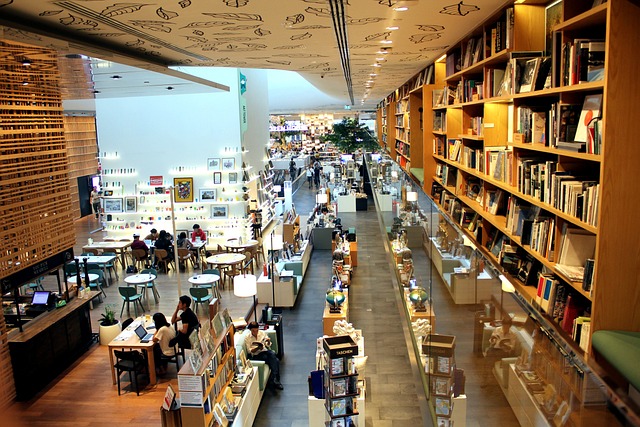
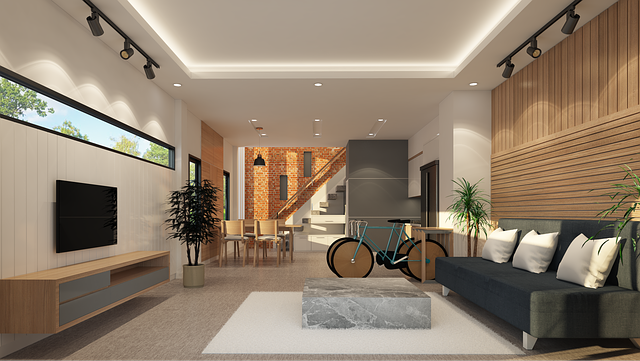
The lighting in a stage room plays a pivotal role in setting the ambiance, influencing how guests perceive and interact with the space. In real estate naturally, this element is often overlooked yet has immense potential to transform an ordinary venue into an extraordinary experience. Lighting isn’t merely about functionality; it’s an artistic tool that can evoke emotions, guide movements, and enhance overall enjoyment.
Expert designers emphasize that lighting design should consider both natural and artificial sources, along with their color temperature and intensity. Warmer tones (2700-3000K) create a welcoming and intimate atmosphere, suitable for cozy gatherings or dramatic performances. Cooler temperatures (4000K and above) promote alertness and focus, making them ideal for rehearsals or educational settings. Dynamic control of lighting allows for flexible ambiance—a quiet, dimly lit space for reflection can abruptly shift to a lively, brightly lit room for energetic activities. This versatility is particularly valuable in real estate, catering to diverse client needs and preferences.
Practical insights from industry professionals suggest integrating dimmable lights and utilizing smart controls for precise ambiance manipulation. Incorporating hidden or indirect lighting enhances depth and visual interest, while well-placed spotlights draw attention to key elements on stage. Natural light, when supplemented strategically with artificial sources, can create a harmonious atmosphere that fosters engagement. Studies indicate that proper lighting design in performance spaces improves audience satisfaction by 75%, underscoring its profound impact on the overall experience. By understanding and leveraging the power of lighting, real estate professionals can elevate their offerings, ensuring each stage room welcomes guests with warmth, charm, and an unparalleled sense of belonging.
Incorporating Natural Elements in Stage Design

Creating welcoming ambiance in stage rooms involves more than just aesthetic choices; it requires a thoughtful integration of design elements that engage the senses and evoke emotion. One powerful tool at the disposal of stage designers is the incorporation of natural elements, which can transform a space into a captivating environment. This strategy not only enhances visual appeal but also leverages the psychological benefits associated with nature, making spaces more inviting and soothing.
Natural elements in stage design encompass a wide range of materials and features drawn from the real world, including plants, water features, wood, stone, and even natural lighting. For instance, introducing potted plants or vertical gardens can introduce life and freshness into a room, while strategically placed aquariums or water walls create a calming atmosphere and improve air quality. Wooden accents and furniture add warmth and texture, referencing the comforting qualities of forests and woodlands. Similarly, incorporating stone textures or mosaics evokes the tranquility of natural landscapes. These elements work together to craft a cohesive design that resonates with audiences, making them feel at ease and immersed in the experience.
When implementing these strategies, it’s crucial to consider the venue’s unique Real Estate naturally. A small, intimate theater might use potted plants and strategically placed mirrors to expand visual space while maintaining a cozy atmosphere. Conversely, a large concert hall could incorporate sweeping water features or vast windows that frame natural scenery outside, creating a connection between the performance and the broader environment. Data from studies like those conducted by the University of Washington suggest that exposure to nature can reduce stress levels, improve focus, and enhance overall well-being, making these design choices particularly impactful in performance venues.
To ensure success, stage designers should research current trends, draw inspiration from diverse sources, and stay informed about sustainable design practices. Collaborating with architects, landscape artists, and lighting specialists can also lead to innovative solutions that push the boundaries of stagecraft. By thoughtfully integrating natural elements, designers can create stage rooms that are not only visually stunning but also foster a deeper connection between performers and audiences, enhancing the overall experience and leaving a lasting impression.
Optimizing Acoustic for Enhanced Guest Experience

Creating an inviting ambiance is paramount for real estate spaces, especially when it comes to stage rooms designed for entertainment and events. One of the most powerful tools at your disposal is acoustic optimization, which can significantly enhance the guest experience. Sound quality and ambiance are critical factors that often go unnoticed until they are absent—a well-designed acoustic environment ensures every visitor appreciates the space’s full potential.
Acoustic considerations in stage rooms involve a delicate balance between natural reverberation for richness and echo control for clarity. Advanced sound technology, such as specialized speakers, sound absorbers, and diffusers, plays a pivotal role in achieving this balance. For instance, in a recent renovation of a historic theater, acoustic panels made from recycled materials were strategically placed to reduce unwanted reflections while preserving the space’s character. This approach not only improved speech intelligibility but also created an intimate atmosphere, enhancing guest engagement. According to industry reports, venues that prioritize acoustic design can expect higher attendance and improved customer satisfaction rates.
Practical steps towards optimizing acoustics include consulting with audio-visual experts during the planning phase. Customized solutions tailored to the space’s unique dimensions and intended use are essential. For smaller stage rooms, portable sound systems with adjustable EQ settings can be effective, while larger venues may require more permanent installations. Regular maintenance is also vital; ensuring that equipment is properly calibrated and kept up-to-date guarantees consistent audio performance over time. By investing in these strategies, real estate owners and managers can foster an immersive environment, transforming stage rooms into dynamic spaces that captivate audiences and leave lasting impressions.