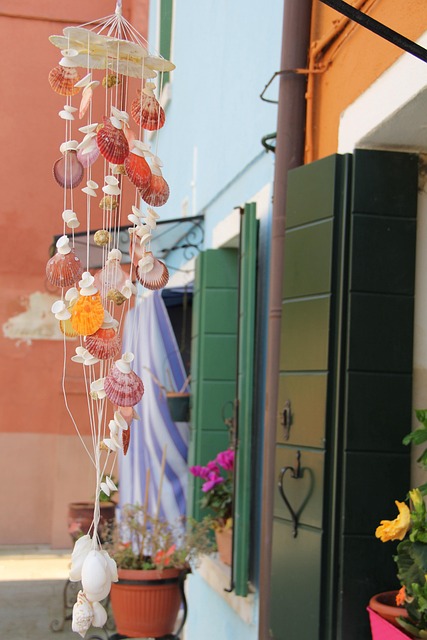
Real Estate Lighting & Design: Strategically placed fixtures transform spaces, influencing size perception and ambiance. Color schemes, from warm tones for hospitality to cool hues for relaxation, enhance atmosphere. Textures and materials, from natural stone to fabrics, impact visual appeal and acoustic comfort. Experts advise on material choices, lighting design, color palettes, and trends for creating inviting, memorable stage rooms and entertainment venues.
In the realm of real estate, creating welcoming spaces is paramount for fostering a sense of community and enhancing resident satisfaction. However, achieving this balance between functionality and ambiance can be challenging, especially in densely populated urban areas where stage rooms are often cramped and underutilized. This article delves into the art of transforming these versatile spaces into vibrant hubs that cater to residents’ diverse needs, from quiet study areas to social gathering places. By exploring innovative design strategies and leveraging real estate efficiently, we’ll unveil solutions that not only maximize space but also cultivate a sense of belonging within the community.
Understanding the Impact of Lighting on Real Estate Ambiance
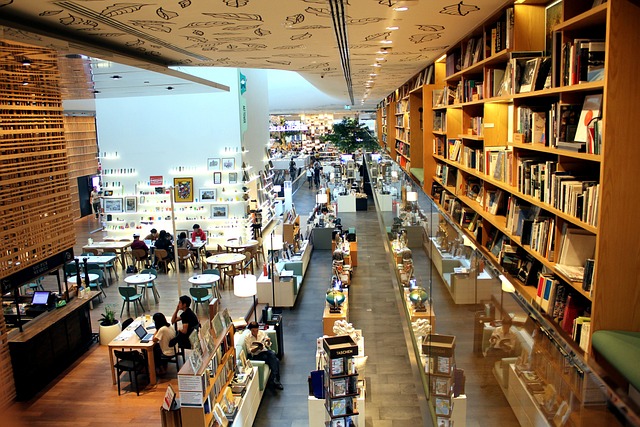
Lighting plays a pivotal role in shaping the ambiance of any space, particularly within stage rooms or real estate properties. The impact it has on our perceptions and emotions cannot be overstated; a well-designed lighting strategy can instantly transform a room from mundane to captivating. In the context of real estate, this translates into enhancing the overall experience for potential buyers or tenants, influencing their decisions and creating lasting impressions.
The effect of lighting extends beyond aesthetics; it influences the perceived size and layout of a space. Strategic placement of fixtures can make small areas appear larger, while carefully selected bulb temperatures and intensities can evoke specific atmospheres. For instance, warm, dimly lit spaces often create a sense of coziness, making them ideal for intimate settings or residential properties aiming to exude comfort. In contrast, brighter, cooler lighting can energize and expand larger spaces, making commercial stage rooms or showrooms more inviting and suitable for various activities.
Expert lighting designers recommend considering the psychological impact of different light sources. Ambient lighting sets the overall tone, while accent lights draw attention to specific features or architectural elements. Incorporating natural light, where possible, is another powerful strategy; large windows or skylights not only brighten spaces but also create a connection with the outdoors, enhancing the sense of spaciousness and tranquility. In real estate terms, this could mean showcasing well-lit, open-plan living areas or highlighting stunning views to attract buyers or tenants seeking a vibrant yet peaceful environment.
Practical tips for maximizing lighting’s impact include utilizing dimmer switches to adjust moods, employing task lighting near work areas, and ensuring even illumination throughout the room. Data suggests that optimal lighting levels can improve productivity by 15-20% and significantly influence people’s satisfaction with their living or working spaces. Thus, investing in strategic lighting design is not just an aesthetic choice but a savvy real estate strategy to create welcoming, functional, and ultimately, desirable stage rooms.
Selecting Color Schemes for Inviting Spaces: A Guide

Color schemes play a pivotal role in shaping the ambiance of any space, especially stage rooms designed to welcome audiences or clients. In the real estate sector, creating an inviting atmosphere is essential for capturing attention and fostering a sense of comfort. When selecting color palettes, professionals must consider not only aesthetic appeal but also the psychological impact colors have on human perception. Warm tones like earthier shades of brown, orange, and yellow can evoke feelings of warmth and hospitality, making them ideal for spaces where guests gather. On the other hand, cooler hues such as blues and greens promote relaxation and calmness, suitable for areas requiring a more tranquil atmosphere.
Expert designers advocate for harmonious combinations that create visual interest without overwhelming the senses. For instance, pairing deep teal with rich oranges can evoke a sense of warmth and depth, enhancing the overall stage room experience. Textures and patterns also enhance color schemes; subtle patterns add depth while maintaining clarity, allowing the eye to rest on key features. When applied thoughtfully, colors can transform a mundane space into an engaging environment that captivates visitors. According to recent market research, spaces with well-curated color palettes see increased customer satisfaction and longer durations within the real estate properties, underscoring the significant impact of these design choices.
Practical considerations are paramount when implementing color schemes in stage rooms. Lighting plays a crucial role; natural light should be utilized where possible to highlight colors accurately, while strategic artificial lighting can create ambiance and draw focus to specific areas. Additionally, ensuring color consistency across different surfaces and materials is essential for a cohesive look. Color-coded floor plans or digital design tools can aid professionals in visualizing and planning these schemes effectively. By embracing the power of color, real estate professionals can elevate their stage room designs, providing spaces that are not just visually appealing but also psychologically inviting.
The Role of Texture and Material in Creating Welcoming Environments
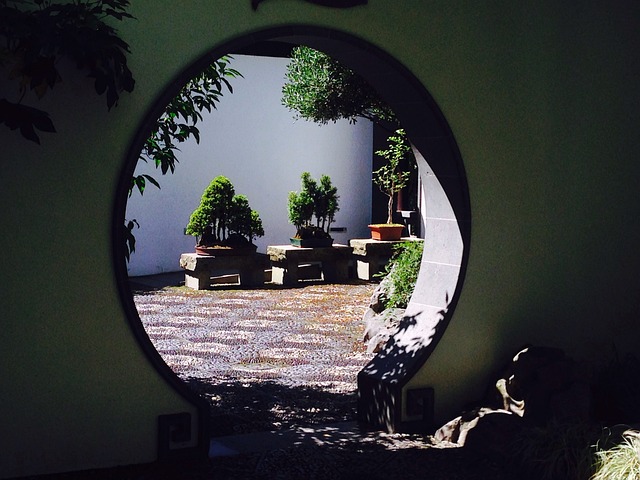
The role of texture and material choices is pivotal in crafting welcoming spaces, particularly within stage rooms or entertainment venues. This element of design can significantly influence how guests perceive and engage with a space, making it essential for real estate professionals aiming to create memorable experiences. A well-curated mix of tactile surfaces can evoke emotions, provide comfort, and foster a sense of belonging—crucial factors in retaining and impressing visitors.
Textured walls, for instance, offer a diverse range of options from rough, natural stone to delicate fabrics. These textures can create visual interest while also contributing to acoustic comfort. Soft, plush materials absorb sound, reducing echo and enhancing conversation, thereby improving the overall ambiance. Conversely, rougher surfaces can add depth and character, making the space feel more dynamic and inviting. Incorporating diverse textures strategically allows designers to curate environments that cater to various guest preferences and create a sense of discovery.
In practice, many successful stage rooms and entertainment venues prioritize material selection based on both functionality and aesthetics. For instance, wood—a timeless choice—evokes warmth and comfort, making it ideal for main seating areas. Its natural beauty can enhance the overall ambiance while providing a robust foundation for various design themes. Similarly, incorporating plants and natural fibers introduces organic elements that not only soften harsh lines but also improve air quality, fostering a healthier environment. Real estate developers and designers can leverage data on material preferences to create spaces that resonate with diverse audiences, ensuring successful and sustainable attractions.
To implement these principles effectively, consider consulting interior design experts who specialize in entertainment spaces. Their insights can guide the selection of materials that not only align with the desired theme but also cater to the practical needs of stage rooms. Regularly reviewing industry trends and studying successful cases can provide valuable inspiration. Ultimately, a thoughtful approach to texture and material choices can elevate any space, making it more welcoming and memorable for all who enter.